Summer

Tourism, some tips on where to eat in the most visited cities

Among the many proposals of our urban centres, a few gems not to be missed if you are in those parts

by Camilla Rocca

7' min read

7' min read

In the latest FIPE-Confcommercio Catering 2025 Report, it is very clear how the increase in out-of-home consumption driven by tourism, especially foreign tourism, is impacting restaurant budgets. And the segment that has benefited most is in Italy's large cities of art: a figure that is not just 'summer' but extends throughout the year. Again according to FIPE, foreign tourism generated about 16 million more presences in 2024 (+2.5% on the holiday total), offsetting the loss of Italian presences and confirming an overall positive balance. City by city we see the impact that tourism has had on catering in the last year and we highlight two restaurants to visit, especially to appreciate real local cuisine.

Turin, a gastronomic 'region'

.
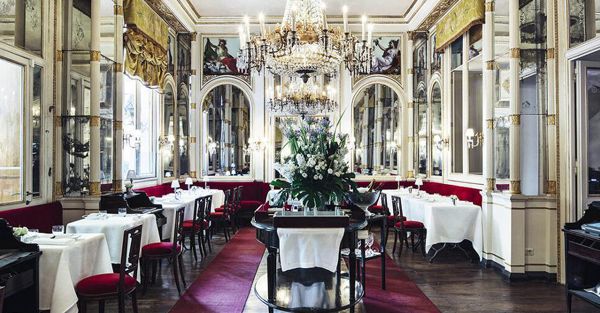
Ristorante del Cambio a Torino

To talk about the average expenditure on catering in Turin, we cannot ignore the entire Piedmont region, which, with its 6.5 billion euros in 2024, accounted for a significant part of the regional tourism expenditure, a real food and wine system that brings tourism interested in food.

Loading...

Turin's Ristorante Del Cambio is one of the city's most prestigious gastronomic institutions, a symbol of Piedmontese culinary tradition and a meeting place for intellectuals and aristocrats since its opening in 1757 . Located in Piazza Carignano, opposite the Teatro Carignano, the restaurant has hosted historical figures such as Camillo Benso di Cavour and Giacomo Casanova. Today, under the leadership of chef Diego Giglio, the restaurant offers cuisine that celebrates local tradition, reinterpreting it with modern techniques and high quality ingredients. The menu offers iconic dishes such as vitello tonnato and agnolotti del plin, presented in a contemporary key to offer a unique gastronomic experience.

Scatto is the restaurant conceived by brothers Christian and Manuel Costardi, located in a very central location inside the Gallerie d'Italia exhibition centre in partnership with Intesa Sanpaolo and the prestigious Caffè San Carlo Le strade Comunicaffè. It is a project that combines gastronomy, photography and theatre, in which the kitchen becomes a show: the space is conceived as a "camera" with reflective materials that put light at the centre, enhancing the open kitchen and creating a sophisticated and immersive environment

Milan and year-round tourism
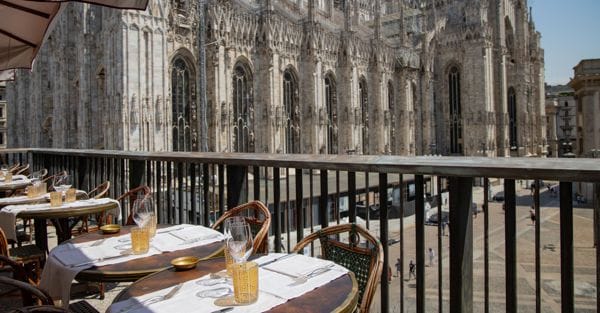
Da Giacomo a Milano

In 2024, foreign tourists generated €1.85 billion in spending in Milan, putting it in second place in Italy after Rome, which recorded €3.63 billion. Furthermore, Milan stands out for its low tourist seasonality: its monthly distribution of expenditure is among the most stable, with a seasonality index of only 22.5%, indicating regular flows all year round. At regional level, in the first eight months of 2024 Lombardy, driven by Milan, recorded over 13 million tourist arrivals and 37 million presences, an increase of 11% on the previous year (Tourism, in the first 8 months of 2024 13 million arrivals in Lombardy - Il Sole 24 ORE).
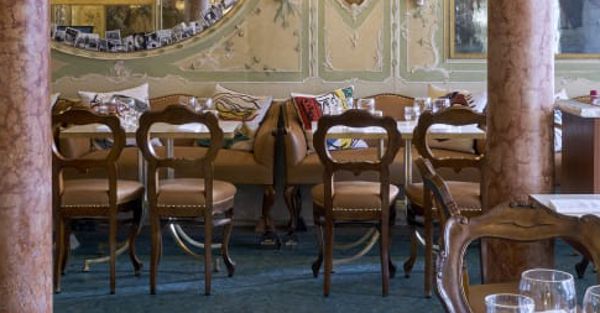
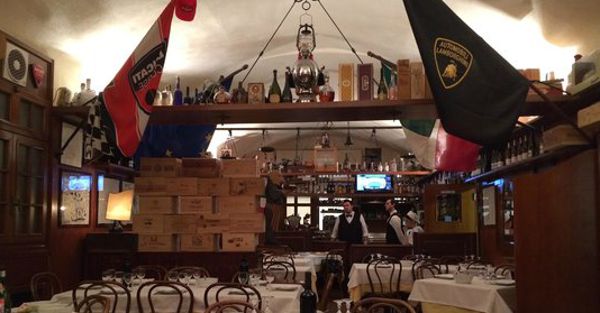
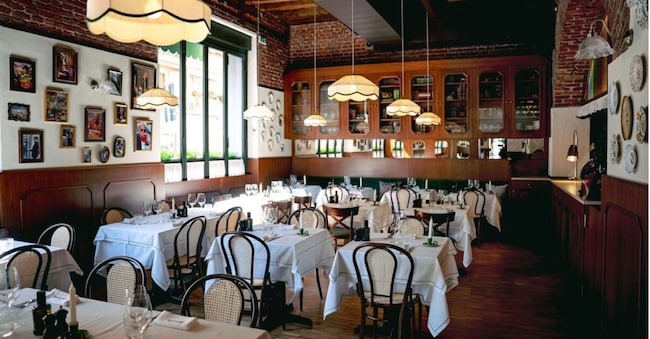
Speciale Osteria, in Milan's Isola district, is a new opening that pays homage to traditional Lombard and Italian cuisine, reinterpreted with care and authenticity. The ambience, amidst period cement tiles, exposed beams and vintage details, recalls the taverns of yesteryear, while the menu celebrates the great classics - from risotto alla milanese with ossobuco to cotoletta con l'osso, to mondeghili and homemade pasta. A place that combines homely warmth and gastronomic quality, where simplicity becomes truly special.

Ristorante Da Giacomo is perfect for those visiting Milan's Duomo. Opened in 1958 and now a Milanese institution, it retains its elegant atmosphere with wood panelling, marble floors and retro details right above the Museo del Novecento. The cuisine is devoted to the Italian tradition with a focus on fish, proposed in simple preparations: it is the ideal meeting point between history, style and taste, also much appreciated by the visiting international public.

Venice, catering relies on tourism

.

Il Quadrino a Venezia

We can say that Venice cannot live without tourists, however much overtourism has reached unprecedented levels. According to the Veneto Region, the average daily expenditure is 167 euros, one of the highest in Italy.With over 5.5 billion euros of transactions in Italian restaurants last year, representing over 26% of the total international transactions recorded in the country.

For traditional cicchetti and local dishes, overlooking the splendid Piazza San Marco, the Quadrino is the bistro of the Alajmo group. The ambience is elegant and cosy, with nineteenth-century frescoes restored by Philippe Starck, giving it a unique and evocative atmosphere with the charming manager Marco Cicchelli in the dining room.

Traditional Venetian cuisine through a contemporary and seasonal approach. The menu changes using organic and local ingredients from small producers and fishermen in the Venetian lagoon. In the kitchen is Salvatore Sodano, a young talent from Campania who has been leading the kitchen since 2022. After experience in starred restaurants such as Oliver Glowig in Rome and Claridge's in London, he brought to Local fresh ingredients from local producers, such as the fishermen of Sant'Erasmo and Pellestrina, and offers dishes that combine modern techniques with tradition.

Bologna, a surge of food experiences

Da Silvio a Bologna

Bologna, although not a 'classic' destination, has seen a surge in tourism in recent years: in 2019 there were 2.4 million arrivals, +118 % compared to 2014, with almost half represented by foreign tourists. Here, too, there is a direct effect on the demand for catering, especially for local foods and the urban food and wine experience, of which Bologna 'la grassa' has no shortage.

An ultra-traditional restaurant, Da Silvio has a unique patron, Mr Cavalieri, famous for his traditional Bolognese cuisine. Try the famous tagliatelle al ragù, cotoletta alla bolognese and tripe, in an ambience that retains the atmosphere of the 1970s. The service is attentive and friendly, an authentic experience for visitors.

I Portici welcomes guests in an atmosphere of refined elegance amidst Art Nouveau frescoes and details that tell the story of the old Eden Theatre. Here, the cuisine of Michelin-starred chef Nicola Annunziata transforms local ingredients into gastronomic emotions, in a sensory journey where tradition and innovation blend harmoniously.

Florence, tourists move the economy here too

Segno by Empireo a Firenze

Florence is one of the most iconic destinations in the world: tourist presences - between hotel and non-hotel structures - exceed 10 million a year. The majority are foreign visitors (over 70%), mainly from the United States (20%), Germany (13%), Japan (8%), the United Kingdom (7.8%), France (5.7%) and Spain (5%). This strong foreign component contributes significantly to out-of-home consumption related to catering.

In the heart of Florence, between Ponte Vecchio and Piazza della Signoria, the Degusteria Italiana is a small gourmet treasure chest with just sixteen seats. Grotesque frescoes that are twinned with those of the nearby Uffizi, vaulted walls and a well-stocked wine cellar create an intimate atmosphere. In the kitchen, chef Fabio Nistri offers dishes that reinterpret the Italian tradition with audacity, from truffles to game, accompanied by a selection of excellent labels.

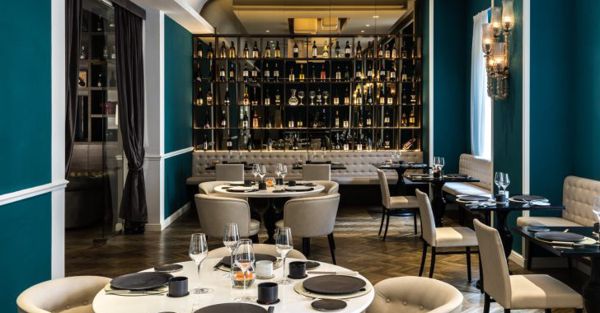
On the banks of the Arno, on one side Ponte Vecchio and on the other the city centre, Segno by Empireo is a restaurant where contemporary hospitality embraces the dialogue between tradition and innovation, supported by a precious and elaborate cocktail menu, inside Plaza Hotel Lucchesi. Led by chef Tommaso Calonaci - a talent trained by Davide Oldani - capable of transforming simple ingredients, especially vegetables, into dishes that tell stories and awaken emotions. The ambience, adorned with Venetian mirrors, Murano glass, embroidered staircases and refined chandeliers, is the perfect setting for a gastronomic proposal that focuses on the immediacy of taste.

Rome, number one for tourism and catering

Rinoceros a Roma

Rhinoceros- Le restau de la Galerie

In 2024, Rome set a new tourist record with 51.4 million presences and 22.2 million arrivals, marking an increase of +4.5 % in presences and +5.63 % in arrivals compared to the previous year, according to the latest data from the Municipality of Rome. This extraordinary tourist flow significantly fuels demand for public establishments - from restaurants to bars - spreading the effect on the sector's budget throughout the year.

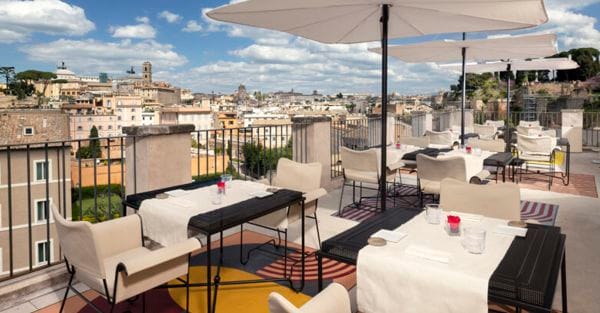
A breathtaking view embracing Rome, Rhinoceros Rooftop is the panoramic restaurant located on the sixth floor of Palazzo Fendi and overlooking the Imperial Forum. The kitchen is entrusted to chef Giuseppe Di Iorio, known for his Michelin star at the Aroma restaurant. The menu celebrates the Roman culinary tradition with revisited dishes. On the top floor, the lounge bar also offers creative mixology, with cocktails inspired by the rhinoceros theme.

Il Marchese, a restaurant and cocktail bar inspired by the famous film Il Marchese del Grillo, is distinguished by a refined ambience with interiors featuring brass chandeliers, black and white cement floors and a Carrara marble bar counter serving traditional Roman dishes reinterpreted in a contemporary key. Specialities include the Marchese's Carbonara and Amatriciana, prepared before guests' eyes thanks to the open kitchen, and a vast selection of liqueurs, with over 600 labels of bitters.

Naples on the rise

.

Ducasse a Napoli

In 2023, Naples recorded 3.633 million presences, gaining the 12th position among the most visited Italian municipalities ilsole24ore.com. This upward trend is indicative of significant tourism development in Southern Italy, with direct effects on urban catering activities.

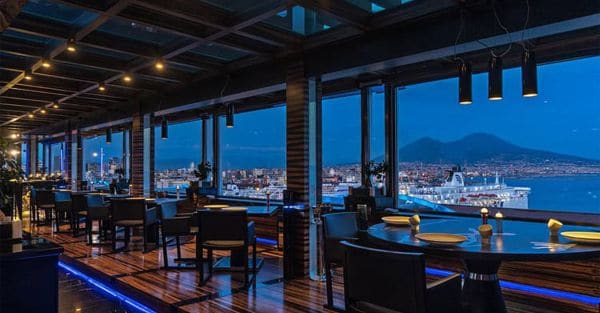
An example of this rebirth is the opening of the first restaurant in Italy signed by Alain Ducasse, the chef with the highest number of Michelin stars in the world. On the ninth floor of the Hotel Romeo, overlooking the Gulf and Vesuvius, the restaurant combines the architectural elegance of Kenzo Tange with a cuisine that tells the story of its evolution and roots. Chef Alessandro Lucassino, a disciple of Ducasse, leads the brigade: the philosophy is clear - 'cuisine de la naturalité', an approach that enhances the freshness of Campania's ingredients with quick cooking and clean flavours.

In the beating heart of Naples, in front of the majestic Maschio Angioino, a unique gastronomic formula has been born: Sea Front Pasta Bar by Di Martino, a new project that celebrates Gragnano IGP pasta in a modern and engaging guise. Chef Pierpaolo Giorgio, assisted by Michelin-starred Peppe Guida, offers an inventive menu of 15 dishes, combined with two tasting menus that range from traditional to more daring creations. From La Devozione, or spaghetti with tomato sauce served with a golden fork, to daring interpretations such as orzo with courgettes alla scapece or mezzi canneroni in peasant tomato soup.

Copyright reserved ©
Loading...

Brand connect

Loading...

Newsletter

Notizie e approfondimenti sugli avvenimenti politici, economici e finanziari.

Iscriviti