
Tropical fruit, so Italy becomes a hub for distribution in Europe
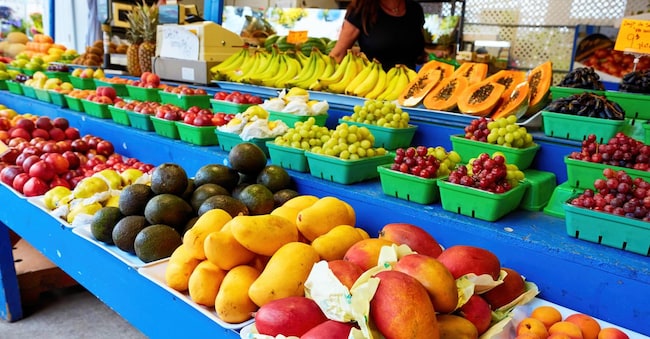
Bananas, pineapples, avocados, mangoes: Fruitimprese data show how intensive the transit of these crops is in our country, which also increases their production
3' min read
3' min read
Will avocado be the new apple? And will mango take the place of hazelnuts? A provocation that does not seem like science fiction, at least according to data processed by Fruitimprese. In 2023 Italy kept the quantity of fruit sold abroad stable at 3.4 million tonnes (-0.9% compared to 2022), butthe historic champions of Italian exports (such as apples, grapes and pears) lost ground, penalised by a particularly difficult year. Citrus fruit (+9.9%) and kiwi fruit (+13.2%) fared better. But more positive still was the trend in tropical fruit exports, which grew by 20.9% to 147 thousand tonnes. An important figure, equal to twice the export of dried fruit and two thirds of that of citrus fruit, two historical product families of Italian fruit growing.
In value terms, however, at EUR 143 million in exports, tropical fruit is still lagging behind dried fruit (EUR 415 million) and citrus fruit (EUR 284 million) but is advancing faster (+22.4% over 2022). Overall, about 13.5% of the tropical fruit imported to Italy is exported (it was 12% in 2022), with quantities up 7.4% on 2022
"The increase in imports of exotic fruit, arriving mainly at the ports of Genoa and Livorno, is due both to the growing vocation of our operators tobe a hub for the European market and to the positive trend in domestic consumption," explains Fruitimprese director Pietro Mauro.
What Italian operators sell abroad is not so much avocados or mangoes grown in Sicily, Calabria or Apulia, which still represent a niche. It is mainly bananas, which in 2023 reached a record of 800,000 tonnes imported for over 550 million euros, and pineapples, stable on 2022, to which other fruits such as avocados, mangoes and coconuts are added. These fruits are also distributed in Europe, from Eastern countries to historical markets such as France, Germany and Austria. This trading activity goes hand in hand with the growth in European demand for exotic fruit and involves many operators in the sector. They are mainly specialised and experienced companies, such asthe Ligurian Orsero and the Roman Abc, founded one hundred years ago by the Pagni family. The Bergamo-based McGarlet, which imports exotic fruit from around fifty countries, started in 1927 with the import of bananas.
'We have always focused on high quality and tailor-made service for our customers,' explains owner Sandra Garletti -. 'But we have higher costs (especially labour costs) that make us less competitive internationally. That is why we prefer to concentrate on working well in the Italian market, which is very receptive'.

