
Turkey calls Italy on digital schooling: 'We offer you our platform'
On technology for teachers, Director General Mustafa Canli would like to see a pact between European countries against the US dominance of Google Classroom
by Editors OnLine
 Aggiungi Il Sole 24 Ore
ai preferiti su Google
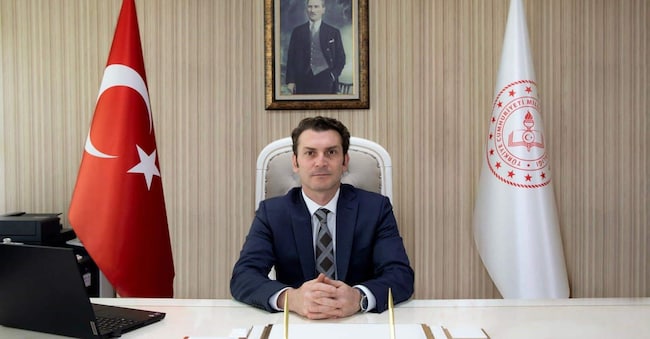
In digital education, Europe is at least ten years behind Turkey, a country that is not the first to spring to mind when talking about technological innovation. Mustafa Canli, Director General for School Technology at the Ministry of Education, is travelling around the Old Continent and does not use those turns of phrase, typical of Byzantine culture, to sound a wake-up call to Europe and propose a pact: sharing technologies to oppose the monopoly of Big Tech in education.
Europe's lagging behind
Europe's backwardness is the consequence of its parochialism and of a union that has never been truly accomplished: 'Each country goes its own way. Unevenness leads to sluggishness. Education is changing all over the world, due to the digital revolution, but teachers are still the same,' Canli notes, and above all they are analogue. 'We need,' he adds, 'new ways of teaching and also of learning: today the system teaches skills or competences (skills, in English), and not how to solve problems, which would be much more useful'.
Turkey's Progress
Today Turkey ranks 2nd in the OECD rankings for math subjects; all of its 77 thousand schools (many in remote places in the mountains of Anatolia and Cappadocia) have broadband internet access; more than half of the teachers (62.7%) use the digital whiteboard every day; 200,000 students with learning problems are helped by technology without having to be segregated into other classes and without leaving the rest of the class behind.
The Mistakes of the States
Not only is Europe lagging behind, but when it does move, it does so badly: 'Many countries are developing digital systems for education, but all of them are making the same mistakes that others have made, learning nothing from those who started before'. This is because many governments simply follow bad examples: "Distributing tablets in classrooms is not digitalisation," Canli comments critically. And big technology companies dominate this sensitive sector of society: Google Classroom, the American computer giant's 'cloud' platform, recently introduced AI but without warning anyone. In order not to leave education in the hands of American Big Tech, a proposal comes from Turkey: a collaboration between European states to develop secure educational technologies. The Turkish digital platform is developed by private Turkish companies, 'but we do not want to sell a product, we want to share ideas and a successful experience in education'.
A proposal for Italy
The Turkish official then has a message dedicated to theMeloni government, and in particular the recipient is Minister Giuseppe Valditara: 'We are looking for an agreement with Italy to share our platform, in Open Source format. We are willing to give Italy the digital teacher training system'. And to convince of the goodness of the offer, he cites Arrigo Cipriani's famous answer as to why there was no music at Harry's Bar in Venice: 'We do not serve music because it is the people who make the music'. Mustafa Canli did not come to serve his music but to give a musical instrument for others to create their music.
Brand connect


Newsletter Scuola+
La newsletter premium dedicata al mondo della scuola con approfondimenti normativi, analisi e guide operative
Abbonati