
Tuscan bubbles? Now even the home of red wines is betting on sparkling IGT wines
The specifications for IGT Toscana (91 million bottles produced and 1,700 winegrowers) to produce bubbles by the classic or charmat method have been modified. The change follows the evolution of consumption

Key points
Tuscany the land of choice for sparkling wines? Certainly for one of the regions specialised in red wines, it remains a distant prospect even if some things are really changing.
The National Wine Committee of the Ministry of Agriculture and Food Sovereignty has given the go-ahead for the amendments to the production regulations for Toscana IGT wine, which envisage the introduction of the sparkling wine category. A step - initiated with approval by the Tuscan Regional Council in December 2024 - that the Tuscan Wine Consortium bluntly defines as "historic" and that "marks a significant evolution of the geographical indication".
Waiting for the OK from Brussels
Now the dossier will have to pass the final examination of the European Commission and, therefore, it will be necessary to wait until at least the end of 2026 for the application of the new regulations.
This is not the only novelty. In the package of proposals there is also the exclusive use on the label of the term 'Toscana' to qualify the IGT mark where in the past the word 'Toscano' could also be used.
Whites or rosés classic or charmat method
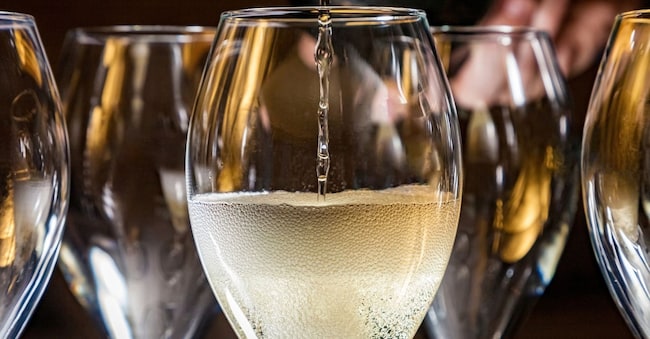
But the novelty with the greatest impact is certainly that which concerns the sparkling wine category and which opens up new production prospects for the regional wine sector. The new regulations institutionalise the production of sparkling wines within a large denomination, whereas until now sparkling wines in Tuscany have been produced mainly on the initiative of individual companies and certainly represent a residual slice of wine production. With the new specifications, however, it will be possible to produce classic method or Charmat sparkling wines, both white and rosé.
The diversification strategy
That Tuscany is somewhat rethinking its wine offering once centred almost exclusively on red wines is, on the other hand, a process that has been underway for some time now. Just think of the strong strengthening on the Tuscan coast of Vermentino, which has over time rebalanced the production of Sangiovese. Now this new step to strengthen sparkling wines as well.


