

Type 2 diabetes: a weekly injection combining insulin and semaglutide is now available
According to a study, the new treatment reduces the frequency of doses, with positive findings regarding blood glucose control, body weight and episodes of hypoglycaemia

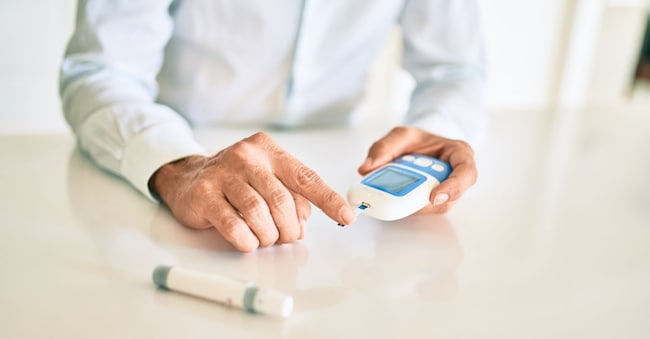
Type 2 diabetes requires ongoing treatment, which often becomes increasingly complex as the disease progresses. However, the need for daily injections, the fear of hypoglycaemia and weight gain can all act as barriers to acceptance and long-term adherence to treatment. But from today, the situation could change with just one injection a week instead of seven or more: this is promised by the new combination of icodec insulin and semaglutide (IcoSema), for which the EMA’s CHMP (Committee for Medicinal Products for Human Use) has recently amended the existing therapeutic indication as follows: “IcoSema is indicated for the treatment of adults with inadequately controlled type 2 diabetes mellitus, in addition to diet, exercise and oral antidiabetic medicines”.
The Combine 4 study
The results of the Combine 4 study, recently published in *The Lancet Diabetes & Endocrinology*, demonstrate the efficacy of the weekly IcoSema (Novo) combination in this patient population. In all phase 3 trials, the IcoSema combination achieved better glycaemic control than basal insulin alone or semaglutide alone, whilst demonstrating non-inferior efficacy compared with the basal-bolus insulin regimen. It also offered a benefit in terms of body weight compared with insulin regimens, and clinically significant or severe hypoglycaemia was significantly reduced compared with the insulin regimens used as comparators.
“The challenge facing modern diabetology is not merely to have access to increasingly effective medicines, but to make treatments simpler, more sustainable and compatible with people’s lives,” comments Professor Raffaella Buzzetti, President of the Italian Society of Diabetology (SID). The possibility of combining two therapeutic mechanisms into a single weekly dose represents an opportunity to improve metabolic control, whilst at the same time reducing the burden of treatment.
According to Salvatore De Cosmo, president of the Association of Diabetes Specialists (AMD), “the results from the COMBINE 4 trial regarding patient satisfaction are encouraging, although the actual benefit in terms of long-term adherence will need to be confirmed in clinical practice”. “Simplification,” he emphasises, “must always go hand in hand with careful personalisation of care, patient education and appropriate monitoring.”
Over 4 million patients in Italia
In Italia, over 4 million adults live with diabetes, more than 90 per cent of whom have type 2 diabetes. Insulin remains a cornerstone of treatment for this condition; however, around 26 per cent of people with type 2 diabetes who require insulin therapy delay starting treatment by more than two years, with potential consequences in terms of complications. And having been the first country in the world to make weekly insulin available, Italia may now become the first country in Europe to make this new formulation available to people with type 2 diabetes, confirming its role in providing access to innovations for the management of chronic diseases. “In this context,” concludes Prof. Francesco Giorgino, full professor of Endocrinology at the University of Bari Aldo Moro –– Italia can once again play a significant role in facilitating timely and appropriate access to an innovation intended for people with type 2 diabetes, whilst respecting the assessments of the competent authorities and the sustainability of the National Health Service. In this regard, it is hoped that our country’s health authorities will carefully consider this new therapeutic formulation in order to provide a concrete response to the still unmet needs of people with type 2 diabetes”.

