
Ukraine and Moldova set to join the EU; negotiations begin on Monday
An important symbolic victory for Zelensky, although the process could still take years; the turning point came after Hungary lifted its veto following the appointment of the new government. Meanwhile, Kyiv has received initial approval from the IMF for a new tranche of aid

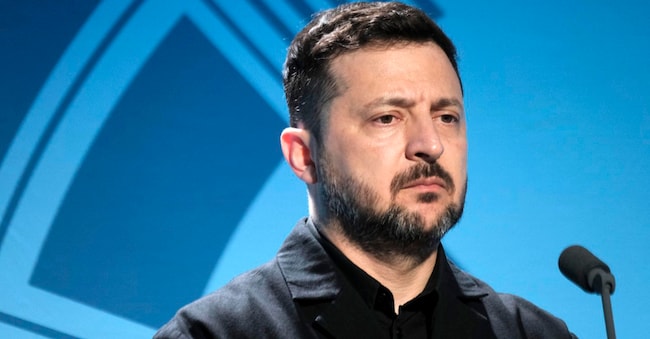
The European Union will open the first chapters of accession negotiations for Ukraine and Moldova on Monday. And whilst the news – which came following a meeting of ambassadors from the 27 member states – is also significant for Chișinău, it is for Kyiv that the launch of the process takes on great significance, particularly symbolic given the timeframe involved in actual accession to the European Union. More than four years after the start of the Russian invasion, in fact, Ukrainian President Volodymyr Zelensky has made EU membership a genuine strategic objective.
“Today,” said the President of the European Council, Antonio Costa, and the President of the Commission, Ursula von der Leyen, in a joint statement, “the European Union has taken a major step forward. On Monday, at the first intergovernmental conference, we will open the cluster dedicated to the fundamental aspects, the backbone of the accession process.” Specifically, these are areas in which countries must reform their laws to comply with EU standards, ranging from the rule of law to robust democratic institutions. “This recognition,” the two presidents conclude, “bears witness to the determination, courage and commitment shown by both countries in pushing ahead with reforms, even in the face of immense challenges.”
“The opening of the first cluster represents significant political and moral support for our country and our people,” commented Zelensky in turn, also on X. “I would like to thank all our partners in the EU and, personally, every leader for this important step taken for the good of Europe.”
European leaders had already agreed in 2023 to launch talks on Ukraine’s accession, but the start of negotiations was subsequently delayed by the firm opposition of the former Hungarian Prime Minister, Viktor Orban; the appointment of a new government, led by Peter Magyar, marked a turning point, particularly following the agreement reached between Budapest and Kyiv on the rights of the Hungarian minority in Ukraine.
During the accession process, candidate countries negotiate the political ‘chapters’, grouped into six thematic blocks: fundamental principles; the internal market; competitiveness and inclusive growth; the green agenda and sustainable connectivity; resources, agriculture and cohesion; and external relations. These blocks, in turn, contain various chapters, making a total of 32.


