
Hormuz: transit uncertainties and difficulties are affecting 80 per cent of businesses
Promos Italia survey of businesses: the majority are diversifying their markets, but are continuing to invest in the region
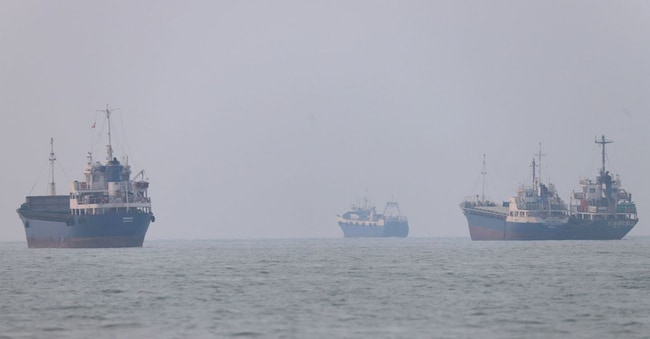
First the closure of the Strait of Hormuz, and now the uncertainties surrounding the future of trade through this waterway – which is vital to the stability of the global economy – have already been factored into “the financial statements of Italian companies”, explains the Director-General of Promos Italia (the agency for the internationalisation of businesses within the Chamber of Commerce system), Giovanni Rossi.
“In Europe, between March and June, the additional cost of procuring diesel and jet fuel was estimated at around 10 billion euros, of which over 1 billion was borne by Italia. These figures clearly illustrate how quickly a geopolitical crisis can translate into industrial costs,” adds Rossi. Furthermore, a survey launched by Promos amongst the companies listed in its database in the wake of the reopening of the Strait (and constantly updated) confirms the significant impact of events linked to the war in Iran and the crisis in the Middle East.
Adverse effects for 80% of the sample
Of the approximately 300 companies that have so far responded to the survey, around 65 per cent had business dealings with the Middle East (33.75 per cent on an ongoing basis) and a further 6 per cent were exploring the region with a view to making investments: 80% of these reported negative effects due to the closure of or difficulties in transit through the Strait of Hormuz (with significant impacts for 41.7%). 23.8% reported order cancellations, 11.9% experienced delays in deliveries or supplies, and 9.5% postponed or suspended commercial negotiations.
However, in the wake of the crisis in the Middle East, only 4% responded by reducing their exposure to this region: 11.6% have temporarily redirected their commercial activities, 13.7% are seeking new partners or alternative channels, 31.6% are maintaining their strategy unchanged, and 5.2% are even strengthening their presence ‘to anticipate the recovery’.
For the vast majority (73.5%), the most significant impact on their business was the rise in transport and insurance costs; followed by rising energy costs (49.4%), longer delivery times (45.8%), the postponement of orders and uncertainty in negotiations (both 41%).

