
Unfair practices in agri-food, more effective controls with new EU regulation
Mandatory action, along the lines of the protection model used successfully for PDO and PGI, to penalise penalising trade agreements that undermine product quality or incentivise labour exploitation

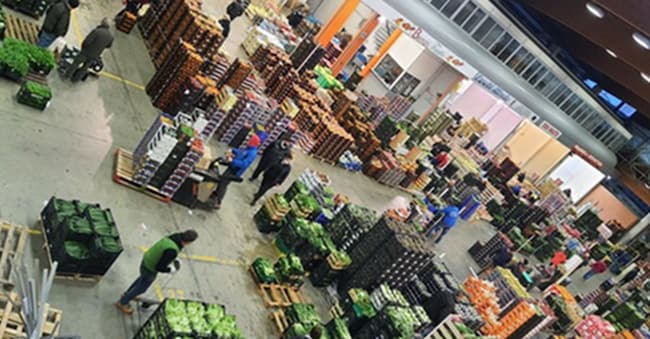
PDO and PGI model against unfair cross-border practices that businesses, farmers, and small producers suffer from buyers and large-scale retail chains, but also from central purchasing bodies based outside the EU. After EU Directive (EU) 2019/633, adopted in Italia in 2021 to ensure greater protection against late payments, unilateral changes or cancellations of orders, and refusals of written purchase contracts, the plenary of the Europarliament approved the regulation that requires national authorities to put an end ex-officio to any unfair cross-border practices in the territory of the member state.
Joint obligation to act and joint investigations
In fact, it will be compulsory to intervene to sanction widespread practices (with which those who do business have to deal every day), that undermine product quality, incentivise labour exploitation, caporalato and unsustainable practices. We are talking about damages (at the European level, where a quarter of the food trade circulates) amounting to more than 10 billion a year, with additional costs - for those who produce - quantifiable at 5 billion euros.
The regulation stamped by Strasbourg today obliges all 27 Member States to cooperate by sharing information, carrying out joint investigations or inspections, and stopping and sanctioning unfair practices. Member States with more ambitious approaches to combating these abuses (such as Italia, France or Spain) will also be able to apply the new rules to investigate and stop unfair practices prohibited at national level (such as the ban on selling below production costs), which go beyond the sixteen prohibited by the 2019 directive.
The same cooperation modalities will apply in the case of practices suffered by producers from non-EU countries, or imposed by buyers from non-EU countries (e.g. large distributors, supermarket chains, wholesalers and commercial intermediaries), in order to guarantee a form of protection against unfair behaviour adopted by purchasing centres based outside the EU. In the event of an investigation, these countries - under penalty of being reported as 'non-cooperative countries' to all 27 authorities - will have to designate 'a contact person responsible for the EU'.
The Early Warning System
The ambitious collaboration project will rely on an early warning system (based on the Internal Market Information System - IMI) shared between Brussels and national authorities. This database will collect all information, alerts and law enforcement measures taken, ensuring coordinated and rapid reactions. The information collected will feed into the annual report prepared by each Member State to monitor the most widespread unfair behaviour and assess the effectiveness of the regulation after three years of application.

