
Unicredit, Orcel writes to the German government. Berlin, 'talk to Commerz'
The idea of a merger between Unicredit and Commerzbank could strengthen the German economy, but is opposed by the government

2' min read
2' min read
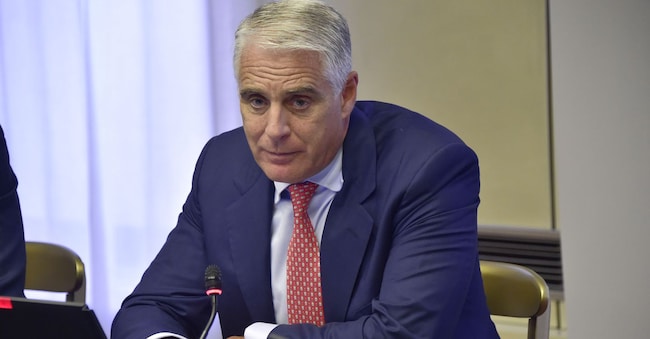
Unicredit CEO Andrea Orcel sent letters to the German government to plead the case for the takeover of Commerzbank. This is what the Sueddeutsche Zeitung wrote, disclosing three missives dated 18 June that were delivered to Christian Democrat Chancellor Friedrich Merz, his deputy and Finance Minister Lars Klingbeil (Spd), and Chancellery head Levin Holle.
Handelsblatt adds that a fourth letter has also been sent to the German trade union Green. According to the two newspapers reporting on the initiative, Orcel asked the government if he could talk again about the operation that Berlin is blocking: why not sit down around a table and talk about it in person, asks the CEO according to Sz, addressing the Kanzler and the minister? Merz and Klingbeil would, however, reject these 'advances', writes Hb, referring the matter back to Commerzbank itself. The government, which holds a stake in Commerzbank, is very interested in protecting the bank's autonomy, as has been repeatedly stated in Berlin.
Commerzbank cannot match the performance of Unicredit and Hvb: a merger could change this, according to a letter from the group's ceo quoted by Sz. "Such a merger would create a new national banking champion for Germany, an institution that is committed to the economic renewal of the country and would therefore support a central concern of the new federal government," Orcel wrote.
The branch network would be maintained and local decision-making authority would be guaranteed, e.g. in matters of lending, the CEO also claimed. According to the Munich newspaper, the missives also state that the decision on the location of a joint head office would not be taken in Italy: the federal government and municipal policy would have the final say in the matter. The question would be, Frankfurt or Munich, writes Sz.
"We Europeans have often spoken of the need to come closer together and develop a greater financial clout that can stand up to the other major economic blocs," Orcel is again quoted as saying that "together we can move from words to deeds.

