
UK: Meet the Burnham Government – Miliband as Foreign Secretary, Healey as Chancellor of the Exchequer
Shabana Mahmood has been confirmed as Home Secretary: having joined the government alongside Miliband, she will retain responsibility for home security matters. The new cabinet also includes Louise Haigh, who had left the government in 2024: she has been appointed Minister for the Cabinet Office and Chancellor of the Duchy of Lancaster.

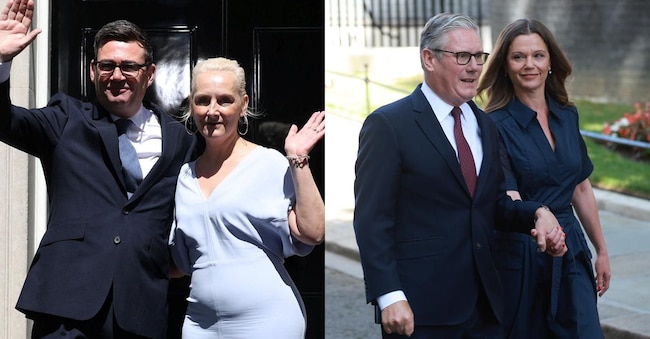
LONDON – A changing of the guard at Buckingham Palace today: outgoing Prime Minister Keir Starmer tendered his resignation to King Charles III, who shortly afterwards formally asked the newly elected Labour leader, Andy Burnham, to form a new government.
Thus begins the era of the so-called ‘King of the North’, so named for the successes he achieved and the popularity he gained during his nearly ten years as mayor of Manchester. In his first speech as Prime Minister today, Burnham said he was “deeply aware” that he is the seventh British Prime Minister since 2016 and stated that he wanted to “show the world that Britain can regain stability”.
Speaking without a lectern or notes, in keeping with his less formal and more spontaneous image, the new Prime Minister said that his election represents ‘a turning point’ and promised a ‘new economic and political model’ with greater public control over resources and a reindustrialisation plan offering strong support for British businesses.
Addressing directly those who are ‘fed up with politics’, particularly in the ‘forgotten parts of the country’, Burnham promised a ten-year programme of progress and improvement, pledging to present a plan as early as tomorrow to reduce the cost of living and give people the chance to ‘catch their breath’.
Greater autonomy for cities and regions
In his off-the-cuff speech, Burnham merely touched upon the reforms he intends to introduce, but he did address the issues closest to his heart, such as his commitment to building social housing and his determination to reduce Westminster’s power by granting greater autonomy to cities and regions. “I want to restore hope,” he said, “invest in success rather than pay for failure” and champion a form of politics “based on the right values”.

