
US moving towards 10-12.5% tariffs on imports from countries involved in forced labour
The Trump administration intends to penalise states such as Canada, Mexico, China and Switzerland with additional tariffs for not blocking products made with forced labour, i.e. cheap labour, aiming to protect American labour.

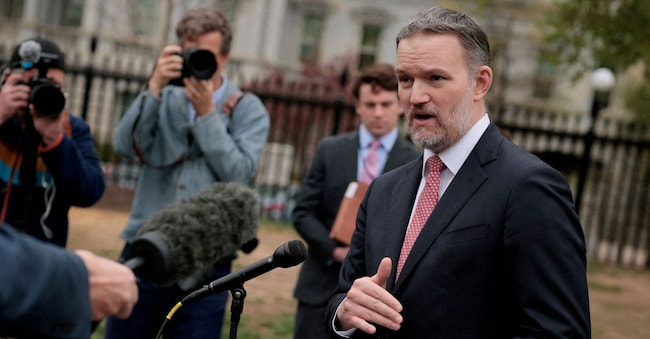
The US Trade Representative, Jamieson Greer, announced that the Trump administration is proposing tariffs of 10% or more for dozens of major trading partners following an investigation into alleged forced labour cases.
The report published by the U.S. Trade Representative states that Canada, Mexico, Taiwan and the United Kingdom would be subject to tariffs of 10% - about 15 countries in total - for not enforcing the import ban on products made with forced labour.An additional 12.5% tariffs would be imposed on about 45 countries including China, Japan, India, South Korea, Brazil and Switzerland.
"The failure of our major trading partners to address the import of goods made with forced labour is unacceptable. This creates a situation where American workers are forced to compete globally under unequal conditions," Greer said, adding that "each of our trading partners must do more to ensure that trade does not perversely encourage and reinforce forced labour globally."
The definition of forced labour
The report defines forced labour as "work or service taken from a person under the threat of any penalty for its non-performance and for which the worker does not volunteer".
The new tariffs would not enter into force immediately, they are subject to public consultation and review.

