

Vaccinations for the elderly: a ‘boost’ improves the immune system
It is the anti-immunosenescence effect of spermidine, which is produced by the body and is also found in Parmesan cheese, but we are only just getting started: those in need of care require tailor-made solutions

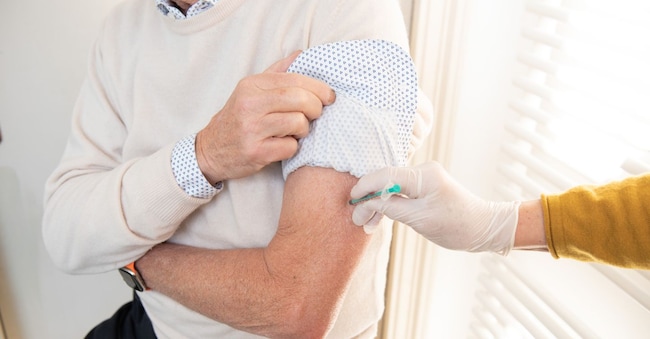
The immune system also ages. Just like the heart, the brain and the kidneys, the body’s defences against viruses and bacteria become less effective over time. This is a well-known phenomenon, known as immunosenescence. Various mechanisms come into play, ranging from a reduced capacity for immune cell regeneration, to differences in their ability to differentiate, the progressive loss of immunological memory and the accumulation of errors at the cellular level. The ‘combined effect’ of these factors means that the older we get (and we’re talking not only about chronological age but also biological age – and therefore the presence of diseases that accelerate ageing), the greater the risk of contracting certain infectious diseases. It is therefore essential to get vaccinated to protect oneself.
The immune system ages too
“The ageing of the immune system is one of the main challenges facing vaccination programmes for the elderly,” comments Vincenzo Baldo, Professor of Hygiene and Preventive Medicine at the University of Padua. But it is also important to ensure that vaccines provide the necessary stimulus to enhance the immune response required by an ageing body, through mechanisms that boost their effectiveness. It is in this context that a study published in *Aging Cell*, led by Katja Simon of the Max Delbrück Centre in Berlin and Ghada Alsaleh of the University of Oxford, is significant. The study offers hope that spermidine, a compound produced naturally by human cells and found in foods such as wheat germ, Parmesan, Cheddar and certain mushrooms, could help maintain a strong immune response to vaccines in some older people by counteracting the biological signs of ageing in the immune system.
Post-vaccination Covid tests
The research is based on a now well-established observation: generally speaking, older people develop fewer protective antibodies and T cells (specialised lymphocytes) following vaccination. This is seen with flu vaccinations, which explains the need for vaccines specifically tailored to older people. As reported in a press release from the Max Delbrück Centre, 40 perfectly healthy people aged over 65 were recruited for the study. After receiving their third dose of the Covid vaccine, the participants took six milligrams of spermidine or a placebo every day for 13 weeks. Around a quarter of the participants developed a very weak antibody response even after three doses of the vaccine. Their immune cells also showed clear signs of biological ageing, including increased DNA damage and molecular markers linked to cellular senescence. During cellular senescence, damaged or ageing cells cease to function normally, but remain in the body and accumulate over time.
The effects of integration
Among those who had not responded to the vaccine and who had received spermidine, several indicators of vaccine-related immunity improved substantially. These participants generally developed higher levels of antibodies against the SARS-CoV-2 virus and demonstrated greater neutralising activity against various viral variants. Not only that: it was also found that spermidine reduced markers associated with immunosenescence by increasing autophagy – the ‘clean-up’ process that promotes the removal of damaged cells whilst maintaining the normal function of immune cells. Let’s be clear: we are only at the beginning. The figures cannot provide definitive proof, as Simon herself points out: “Larger studies will be needed to determine whether spermidine can consistently improve the vaccine response and whether similar effects are observed with other vaccines, such as those used against seasonal flu.”
Tailor-made solutions
Protecting older people and vulnerable individuals through vaccination is crucial from a public health perspective. However, we need to develop targeted strategies, bearing in mind that vaccination remains the most effective means of protecting older people from infectious diseases. ‘Many older people respond well to vaccines, but some do not develop strong protection, even after repeated vaccinations,’ comments Alsaleh. ‘The biological ageing of immune cells could be one of the reasons for this phenomenon.’

