Production

Vegetables, fruit and olive oil: heat and drought are bringing agriculture to its knees. Milk down 10 per cent

Businesses are facing a profitability crisis amid falling harvests and soaring production costs. The wine and livestock sectors are struggling, whilst the water shortage is also affecting honey and mushroom production

 Kadmy - stock.adobe.com

4' min read

Translated by AI
Versione italiana

4' min read

Translated by AI
Versione italiana

Italian agriculture is facing serious difficulties. The double whammy of challenging weather conditions and rising production costs is putting the sector under severe strain.

From a climatic perspective, the difficulties stem from drought, which is particularly widespread in the northern regions. As for production costs, however, the crisis in the Middle East is taking its toll, having triggered sharp rises in the prices of fuel and fertilisers, most of which pass through the Strait of Hormuz. From cereals to fruit and vegetables, from wine to olive oil and livestock farming, right through to the beekeeping and mushroom sectors, it is currently difficult to find any agri-food supply chain that is immune to these threats.

Loading...

Cereals: harvests are down

The cereal sector is facing difficulties, starting with durum wheat, the raw material for an iconic ‘Made in Italy’ product such as pasta. The durum wheat harvest ended with a 6 per cent drop compared with last year. However, the main cause for concern is the trend in prices, which have fallen significantly compared with last year, whilst production costs have risen considerably.

Concerns are also being raised regarding rice (the growing season for which begins in September) – a cereal whose entire production cycle takes place in water and in the regions of northern Italia, and which is therefore at risk due to the drought that has affected the northern areas. Compounding the complex situation for the rice sector is the rise in imports from South-East Asia, which are putting downward pressure on prices and penalising producers in Europe’s leading rice-producing country, Italy.

Livestock farming: milk production down 10%

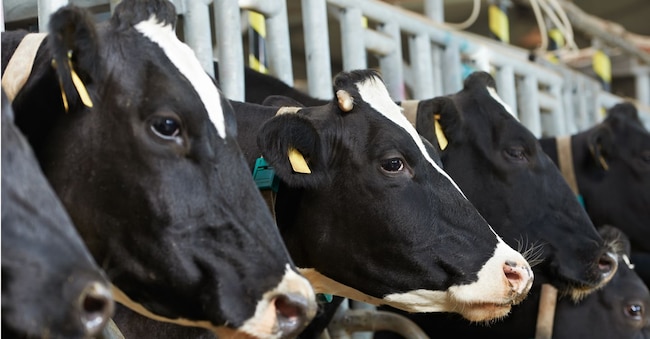
The livestock sector is not without its difficulties, with the dairy sector particularly hard hit, as the prolonged heatwave is taking its toll on livestock housing and ‘is leading – as highlighted yesterday by Fedagri-Confcooperative – to an estimated 10 per cent drop in production. All this is taking place against a backdrop of rising production costs.”

However, three key sectors of the Italian agri-food industry – fruit and vegetables, wine and olive oil – are facing serious difficulties. These three sectors account for a turnover of over 35 billion euros out of the 73 billion euros representing the total value of Italian agriculture.

Fruit and vegetables: prices plummet

There is a real crisis in the fruit and vegetable sector, where, despite falls in production, the prices paid to farmers are also dropping: ranging from a 17 per cent fall for pears to an 18 per cent fall for peaches and nectarines. This is an unsustainable situation for producers: according to Coldiretti, between 2010 and 2020, Italia lost 38,000 hectares of fruit orchards and 50,000 hectares of vegetable fields.

The challenges facing wine and olive oil

They can be described as the two ‘sick giants’ of Italian agriculture. These are two key sectors (with turnover of 5.8 billion for olive oil and 14 for wine, respectively) which find themselves having to cope with a significantly early harvest whilst simultaneously facing high levels of stock.

The wine sector, where the grape harvest has already begun, faces the situation that the new harvest will arrive at wineries that are already holding high levels of unsold stock (46.6 million hectolitres in June, up 6.7 per cent). Many, however, fear that this oversupply will trigger a wave of price falls.

In this regard, Coldiretti, following extensive consultation with its winegrowers, has proposed a national strategic plan to the sector. This plan focuses on a major revival of promotional activities, particularly abroad, to stimulate sluggish consumption, and on measures to curb production: from a freeze on new authorisations to yield restrictions. ‘It is essential, however,’ Coldiretti explained, ‘that production cuts are not made across the board but in a targeted manner, guided by market data when deciding which areas to intervene in.’

Loading...

The streamlining of red tape and tax incentives for investment in innovation will also be crucial to boosting business profitability.

Extra virgin olive oil for the needy

The situation is similar for olive oil, for which – as with wine – the harvest is expected to begin much earlier than usual, possibly as early as mid-September. Another similarity with wine is the presence of high stock levels, with figures suggesting a quantity in excess of 250,000 tonnes, 121,000 of which is extra virgin olive oil. “We have asked Minister Lollobrigida,” said Coldiretti’s vice-president, David Granieri, yesterday, “to issue an urgent call for tenders for 100 per cent Italian extra virgin olive oil to be distributed to the needy, thereby reducing stock levels. In this way, we can turn a commercial crisis into a significant act of solidarity.”

Honey and mushrooms are bad for you too

Two other sectors facing serious difficulties are beekeeping and mushroom farming. “High temperatures and drought,” Coldiretti reported, “have shortened the flowering season and reduced the availability of nectar for bees. The situation is particularly serious in Sardinia, where the extreme heat has led to the loss of hundreds of beehives.”

The water shortage is ultimately casting a shadow over the mushroom season. ‘The mycelium – the underground network from which mushrooms develop,’ reads a statement from Coldiretti and Federforeste, ‘requires constant moisture in the soil and a balance between mild days and cool nights. These conditions have been rare this year. This is why, in the Alps and the Apennines, mushroom hunters are finding unusually dry undergrowth and a significantly lower than average number of porcini mushrooms.”

Copyright reserved ©
Loading...

Brand connect

Loading...

Newsletter

Notizie e approfondimenti sugli avvenimenti politici, economici e finanziari.

Iscriviti