
Vincenzo Di Nicola: Abruzzo, Silicon Valley and back to modernise the Italian economy
Today, Di Nicola heads CDP Venture Capital's artificial intelligence fund

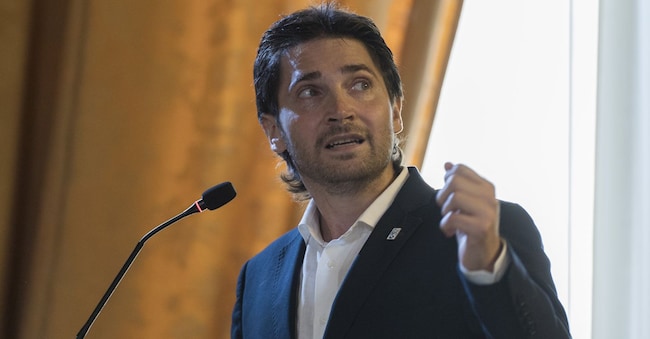
International experience. Memory of origins. Technical skills. Gratitude to the masters. Generosity for those who come after. If you have the chance to listen to Vincenzo Di Nicola when he overcomes his natural reluctance and decides to tell his personal story, you are exposed to a set of acquired experiences and emerging values that draw a perspective and can become a model. Today, Di Nicola is at the helm of the CDP Venture Capital artificial intelligence fund, one of the essential financial instruments for supporting the modernisation of the Italian economic system in the context of the new wave of innovation initiated by the most complex, controversial, fascinating, deceptive and suggestive technology of the moment. Di Nicola knows how to be grateful to the world from which he started, how to reflect on what he has learnt along the way, how to recognise the value of those who inspired him.
The idea of looking for opportunities abroad marked his formative years. Deep in Abruzzo, his grandfather received a cheque from abroad every month. When he came of age, Vincenzo asked him what it was. "This is America," he replied. His grandfather, also named Vincenzo Di Nicola, had emigrated from Teramo to be a coal miner in Pennsylvania. He had worked hard enough to return home and buy land. His grandson admired that grandfather and listened raptly to the stories of his life. Even when he explained that he had black lungs because of the mine. That cheque was a life-long compensation: "America asks a lot of you but can give you a lot. Vincenzo decided very early that he would go to America too.
Il porto di partenza fu all’università. Si laureò a Bologna in ingegneria informatica. Molti atenei americani erano interessati a coltivare collaborazioni con quell’antica istituzione accademica. Tra questi l’università della California. Di Nicola riuscì a ottenere di partecipare a uno scambio con l’università di San Diego. Di Nicola trovò un approccio didattico entusiasmante: «Non si trattava di memorizzare libri ma di saper fare le cose». Restò in America un anno oltre il previsto dal programma. Fece domanda per un corso a Stanford. Venne accettato. «Volevo fare il professore. Diventai assistente di Mendel Ronsenbloom» fondatore di VMware, pioniere del cloud computing. «Nell’ambiente stimolante di Stanford, però, mi accorsi che fare il professore non era così interessante come avevo immaginato». Il percorso di studi, però, prevedeva stage estivi per guadagnare qualcosa e conoscere il mondo delle imprese. Si trovò a lavorare a Yahoo! «In tre mesi ho migliorato il tempo di processa
Di Nicola non restò a Yahoo!, azienda che aveva un passato glorioso e un futuro incerto, e passò alla Microsoft a Seattle. Diventò program manager per studiare come interpretare i comportamenti delle persone emergenti dai dati, per migliorare la conoscenza del pubblico al servizio del marketing. «Creai un team che ottenne un buon successo. Mi mandarono in Cina. Bella esperienza, ci sarei rimasto, ma non volevo perdere la green card. Oggi sarebbe stato ancora più interessante». Di Nicola tornò in America, ma non amava Seattle. Si guardò in giro e vide l’occasione della vita. «Era appena uscito lo smartphone. Mi convinsi subito che sarebbe decollato generando nuovi trend. E da tecnologo mi associai con un amico venditore dell’IBM per creare un’azienda di pagamenti mobili, GoPago. Ricevemmo investimenti da JP Morgan e altri. Fu un’esperienza incredibile». L’azienda crebbe velocemente tra il 2009 e il 2013. A quel punto, Amazon volle comprare la tecnologia. «Ebbi la conferma che le grandi azi
La sua cultura originaria lo spinse a occuparsi della dimensione pubblica, alla quale sentiva di dovere molto. «Mia madre era alle Poste e telegrafi, mio padre lavorava all’anagrafe di Teramo. La pubblica amministrazione mi aveva regalato un’infanzia tranquilla e mi aveva trovato le borse per studiare l’inglese. Pensai di restituire». Ricominciò insegnando informatica nel suo vecchio liceo di Teramo. «I sedici anni sono l’età che conta. È lì che si impara a decidere della propria vita e forse a diventare un leader. Sono contento di avere insegnato per tre anni. Ho formato tanti ragazzi. Alcuni di loro hanno poi trovato strade importanti. Ce n’è uno alla sede di Booking ad Amsterdam. Un altro è direttore in un’azienda di elettrodomestici, un altro ancora è in un’azienda tecnologica di Zurigo. Tra i progetti che realizzammo ci fu anche una storia digitale della prima guerra mondiale. Mattarella conobbe il progetto e ci ricevette al Quirinale. Un grande onore». Di Nicola ci tiene a sotto


