
Volkswagen unveils the interior of the ID. Polo: goodbye touch controls
Set to debut in 2026, it features improved materials and a return to real buttons.

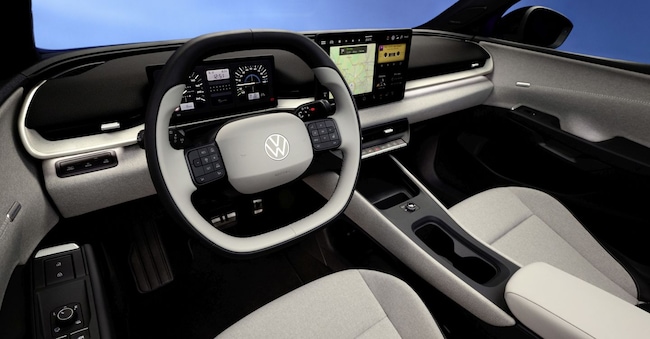
The new Volkswagen ID. Polo marks a change of course for the Wolfsburg-based manufacturer. After criticism of the touch controls of the previous ID.3 and ID.4, the German brand has listened to customers and fans. Physical buttons, real knobs and traditional switches are back in the interior of the future electric supermini.
The steering wheel, now slightly square in shape, has large, intuitive controls, while the dashboard sports a row of buttons dedicated to the climate control and a real volume knob on the centre console. The windows also revert to having four separate buttons, as in the Volkswagens of yesteryear.
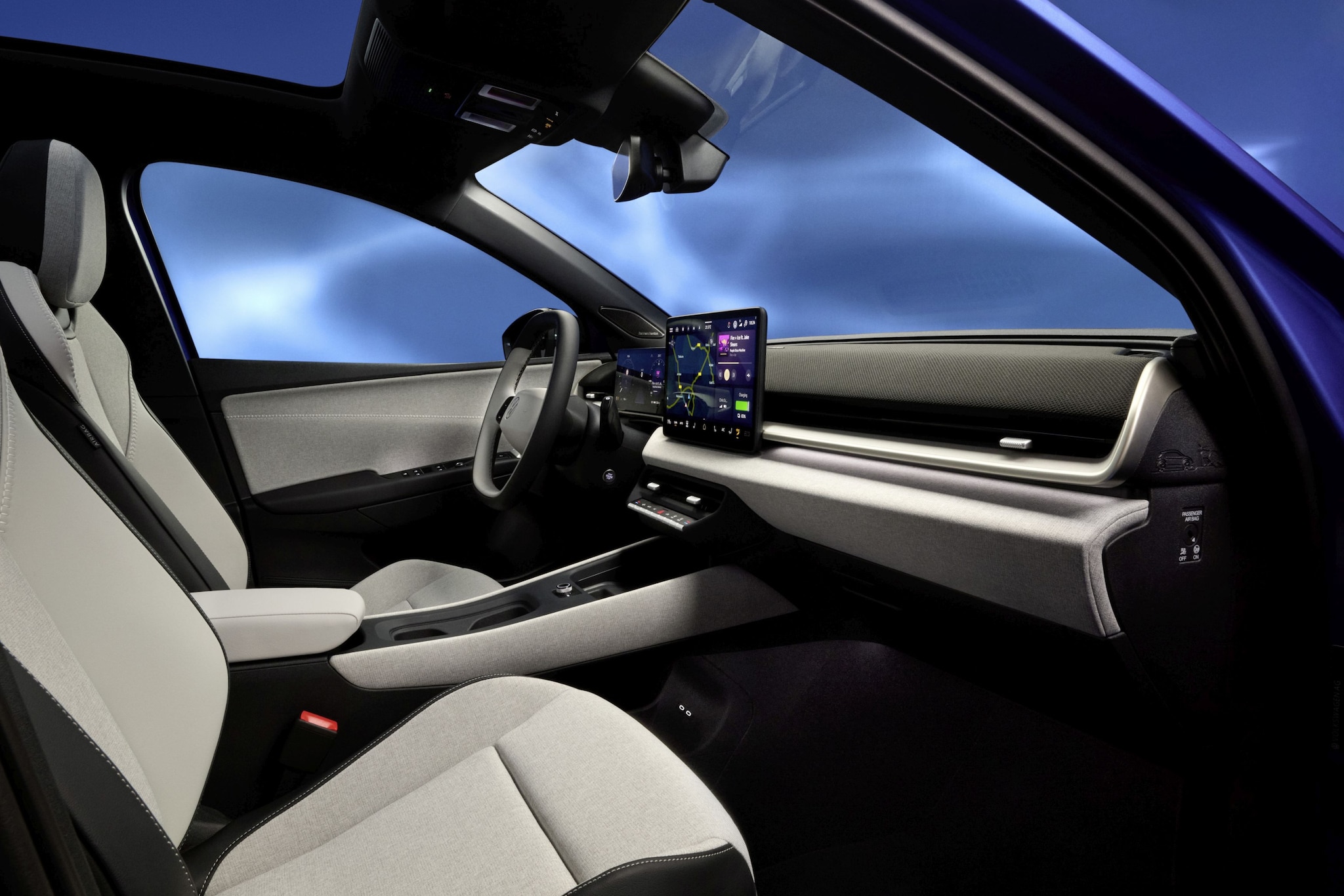
One detail that remains is the 'play' and 'pause' pedals, now a hallmark of the VW electric range. However, the general perception of quality has gone up a level: air vents and controls have a more refined finish and a 'premium' touch that was missing on the ID.3.
Volkswagen said it has worked hard on the sense of cosiness on board. The dashboard, doors and centre console are now covered in soft-touch materials designed to convey warmth and quality. The layout of the displays has been rethought to improve ergonomics: the 10.25-inch digital instrument cluster is positioned behind the steering wheel, while the 13-inch central screen is larger and more accessible even for the passenger.
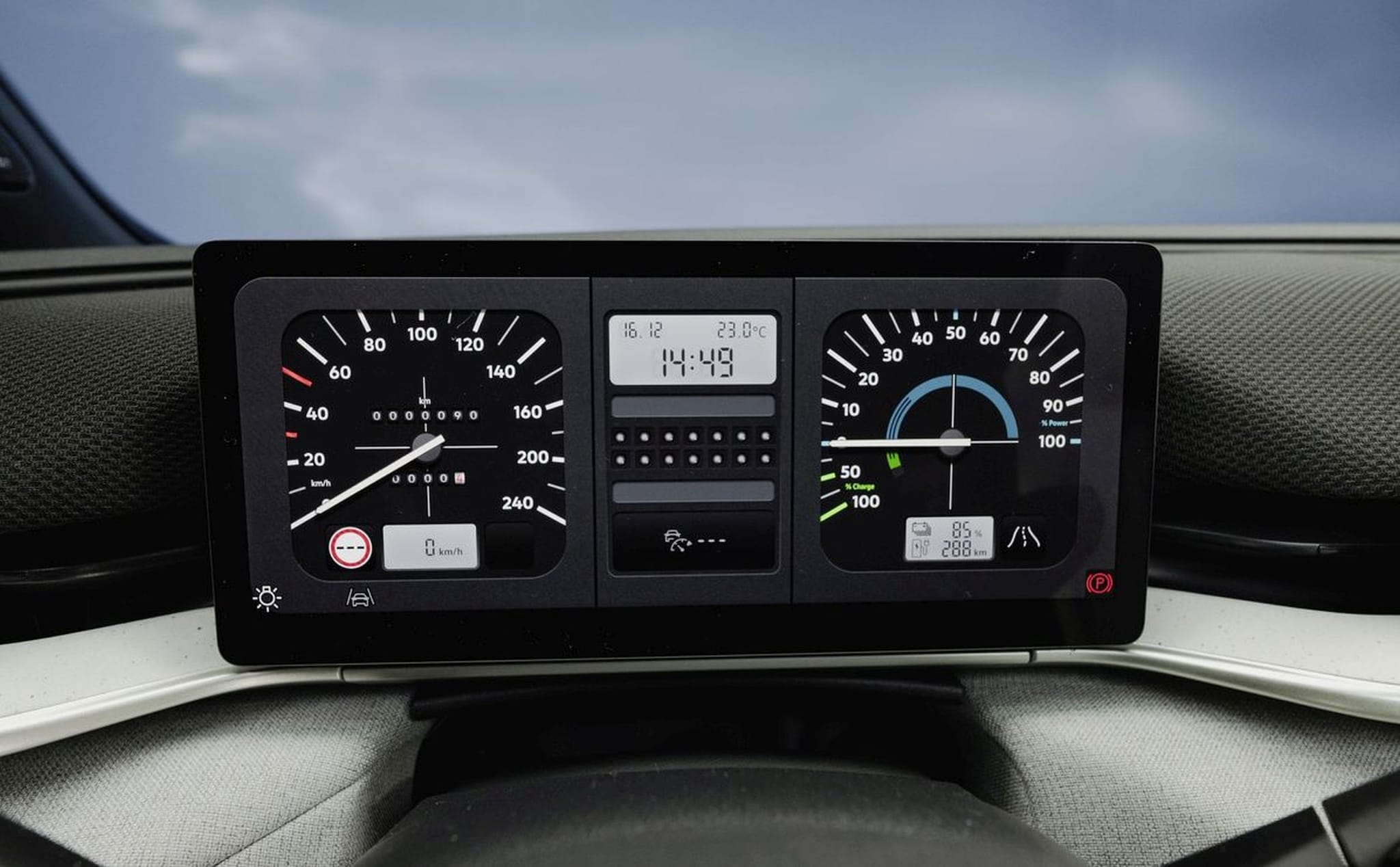
The new software promises a more intuitive and responsive interface, with nostalgic references to the brand's past. At the touch of a button, the dashboard graphics can transform to evoke the historic dials of the 1970s Golf: a tribute to tradition combined with next-generation digital language.

