
Russia exploits the Hormuz crisis to boost energy exports to Asia
Since the beginning of the war in the Middle East, Russia has appeared to be among the countries that could gain the most from it, especially on the sale of oil and gas. And in front of the Kremlin's gates there would already be a queue

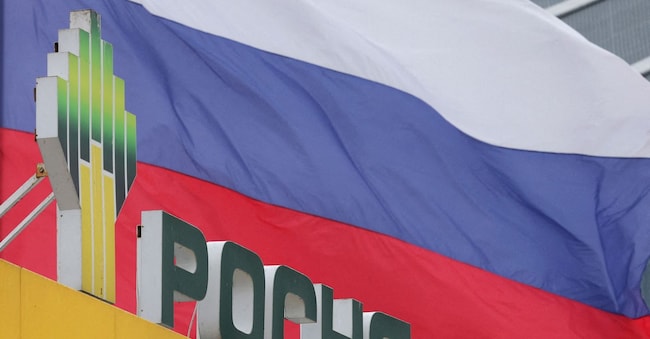
For us, the Strait of Hormuz remains open, it is only closed to enemies," points out Jurij Ushakov, Foreign Policy Advisor to Vladimir Putin. He confirms Moscow's inclusion in the small group of 'friendly nations' to which the Iranians have allowed commercial navigation in the sea corridor at the centre of the conflict between Tehran, Israel and the United States.
Since the beginning of the war in the Middle East, Russia has appeared to be among the countries that could gain the most from it: 'The threat of a NATO split, the easing of sanctions, the serious energy crisis in Europe, the suspension of aid and loans to Ukraine,' Polish premier Donald Tusk listed in recent days, 'all of this sounds like a dream plan for Putin'.
According to Argus Media data reported yesterday by Bloomberg Agency, the global oil rally allowed prices of theRussian Urals variety to soar to 13-year highs: $116.05 per barrel touched last week, more than double the $59 budgeted for in the 2026 federal budget.
An estimate that only a month ago seemed too optimistic: but which now allows the Kremlin to revise its plans, to postpone the spending cuts and fiscal prudence that the drop in energy revenues seemed to have made inevitable. So the hope that the difficulties in the economy might induce the Russian president to seek a negotiated end to the war in Ukraine seems frozen for the time being.
The 'cease-fire' for the Russian accounts will of course depend on the duration of a crisis that has experienced violent swings: but the easing of American restrictions on Russian oil sales, rising prices and the worldwide search for alternative sources to Gulf supplies give the Russian authorities the excuse to present themselves as part of the solution. Russian oil cannot be dispensed with, they repeat.


