
Warehouse securitisation, a real opportunity but requires a change in corporate culture
Transparency must be accepted on assets considered part of corporate management

Key points
Coming from the SME law is the potential spark able to revive the securitisation market, which in Italia and in Europe is going through a prolonged phase of transition. According to Afme, the association of financial market participants in Europe, last year in our country, transactions with a nominal value of a little over nine billion euro were realised and actually placed, while the total amount of securities on the market stood at a level of 131 billion, thus 15% lower than five years earlier.
Benefits
However, the introduction of rules that will allow companies to securitise stocks represents a potential breakthrough. The changes envisaged in the text approved at the beginning of March to Law 130/1999 on securitisation extend, in fact, also to assets linked to the production cycle the perimeter of structures that can be used to finance operating activities and real assets, reserved until now exclusively for credits, real estate and registered movable property, thus favouring direct access by companies to the capital market.
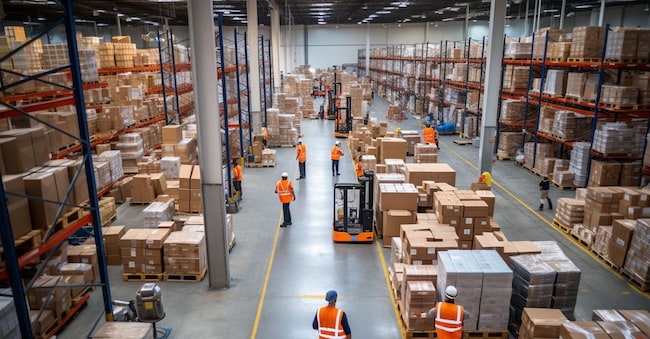
The possibility of carrying out destocking and inventory finance operations will allow to obtain immediate liquidity by enhancing the value of the assets already stored in the warehouse and appears to be important for some Made in Italy companies. The thought goes first and foremost to the food sector "where," emphasise Corrado Fiscale and Federico Del Monte, partners of the law firm Bird & Bird, "warehousing represents an asset of great value: think of wines, hams or cheeses that require long periods of seasoning and remain immobilised for months or years.
Until now, this capital remained frozen for the duration of the biological or production cycle, the legislation will instead allow it to be 'transformed into useful resources to support business activity'. Thus, an alternative financing modality is created for a wide range of enterprises of different sizes - not only SMEs, but also large groups - and operating in the most varied industrial sectors in addition to the agro-food sector already mentioned and affected by the traditional distressing of the banking channel.
From a financial perspective, these transactions could represent what the legal experts at Bird & Bird call a 'genuine new asset-class'. Through it, a wide range of investors, from banking and insurance sectors to debt funds, will in fact be able to bet on 'bonds remunerated and redeemed from the cash flows generated by the marketing of a company's assets'. Fundamental in this case is the ex lege segregation mechanism of the securitised assets, which, in the event of insolvency, remain totally separate from the assets of the originator, thus guaranteeing enhanced protection for investors.


