
Rome's waste, Cesano biodigester construction site starts
Ama Roma starts construction of a biodigestion plant in Cesano to transform organic waste into biogas and fertiliser, promoting environmental sustainability and recycling.
4' min read
4' min read
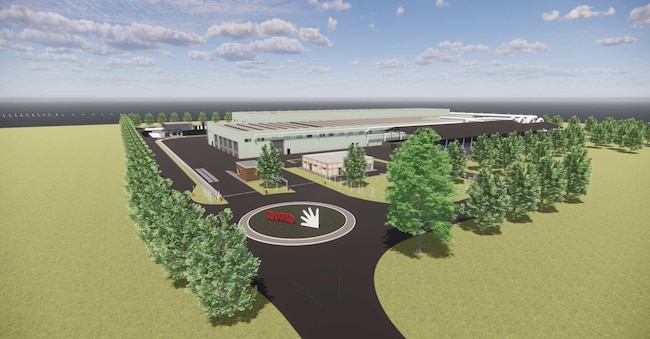
Ama, the urban hygiene company wholly owned by the Municipality of Rome, has formally taken possession of the 6-hectare area earmarked for the construction of the biodigestion plant in Cesano (municipality XV, north-west area of the city) and has handed over the works to the company that will build it. In fact, the first preliminary works on the construction site started today. The start of this construction site marks the beginning of work on the construction of plants for the 'green' economy (two biodigesters and two plants for sorting plastic and paper), which the capital still lacks to date. This was announced by Ama itself.
The waste treated
.The plant is the first of those envisaged in Ama's Industrial Plan and will treat 100,000 tonnes of organic waste (food scraps, prunings and vegetable cuttings) per year, which will be transformed, through an anaerobic digestion process, into biogas and natural fertilisers. This is a modern and efficient type of plant that, through the treatment of the organic fraction, makes an innovative contribution to more sustainable waste management by promoting recycling and resource recovery.
Biomethane and compost
The objective is the recovery of biomethane to replace fossil fuels for transport along with the production of high-quality compost to be distributed in agriculture and/or floriculture. The tender for the executive design, construction, operation and maintenance for one year was awarded in August 2024 to a leading company in the sector; in these 11 months the executive design has been completed and the authorisation and administrative activities required for the start of the work have been carried out.
The biodigestion process
The biodigestion process consists of three steps. The organic waste is first separated from the other materials and shredded; subsequently, this waste is subjected to the anaerobic digestion process, which, through decomposition in an oxygen-free environment, results in the decomposition and subsequent production of biogas for domestic use or as fuel. In the third stage of the process, the waste is further processed with clippings and prunings to be transformed into compost, a high-quality natural fertiliser that can be used for agriculture and gardening.
Security
.It is a safe, environmentally friendly and efficient type of waste treatment plant. In fact, the biodigester (a technology that already has 2,000 similar facilities operating in Italy and 20,000 in Europe) complies with strict regulatory requirements to ensure maximum safety. All processing phases take place in a sealed environment that does not disperse anything into the atmosphere or groundwater and that, thanks to air extraction and treatment systems, does not generate unpleasant odours. Today, this organic waste is destined for plants located in Northern Italy (Veneto, Friuli Venezia Giulia), with obvious economic and environmental repercussions deriving from the long distances to be covered by heavy vehicles..


