
West Nile virus, one death in Lazio: prevention, symptoms and treatment
West Nile virus strikes Lazio with one death, symptoms and preventive measures crucial to fight it.

3' min read
3' min read
An 82-year-old woman living in Nerola (Rome) died at the San Giovanni di Dio hospital in Fondi (Latina) from the West Nile virus. The woman had been admitted on 14 July due to fever and a state of confusion. There are currently six other confirmed cases of West Nile virus infection in Lazio, all confined to the province of Latina. Two are in critical condition due to the presence of concomitant pathologies and are both hospitalised at the Santa Maria Goretti hospital in Latina. The other four are in clinical improvement
The West Nile virus and its spread
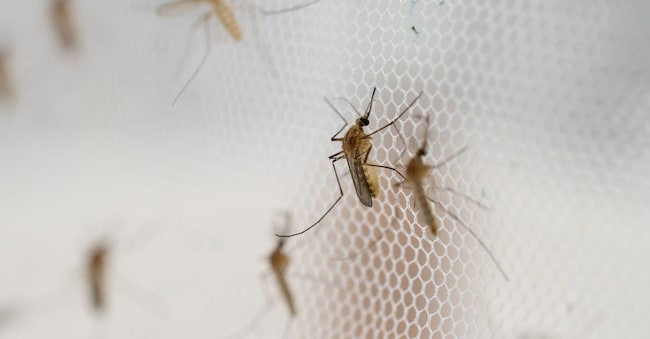
.West Nile fever (West Nile Fever), which claimed the life of a woman in Latina, is a disease caused by the West Nile virus (Wnv), a virus of the Flaviviridae family first isolated in 1937 in Uganda, in the West Nile district from which it takes its name. The virus is widespread in Africa, West Asia, Europe, Australia and America. The reservoirs of the virus, explains the Higher Institute of Health, are wild birds and mosquitoes (most frequently of the Culex type, the common mosquito), whose bites are the main means of transmission to humans. Other documented, though much rarer, means of infection are organ transplants, blood transfusions and mother-to-fetus transmission during pregnancy.
Virus transmission
.West Nile fever is not transmitted from person to person through contact with infected persons. The virus also infects other mammals, mainly horses, but in some cases also dogs, cats, rabbits and others. Most infected persons do not show any symptoms. Of the symptomatic cases, about 20% show mild symptoms: fever, headache, nausea, vomiting, enlarged lymph nodes, skin rashes. More severe symptoms occur on average in less than 1% of those infected (1 in 150 people) and include high fever, severe headaches, muscle weakness, disorientation, tremors, impaired vision, numbness, convulsions, and even paralysis and coma. Some neurological effects may be permanent.
Symptoms, severity and prevention of West Nile fever
In the most severe cases (about 1 in a thousand), the virus can cause lethal encephalitis. On the prevention front, there is no vaccine for West Nile fever. Vaccines are currently being studied, but for the time being, prevention consists mainly in reducing exposure to mosquito bites. Therefore, it is advisable to protect oneself from bites and prevent mosquitoes from breeding easily by using repellents and wearing long trousers and long-sleeved shirts when outdoors, especially at dawn and dusk; using mosquito nets on windows; frequently emptying flower pots or other containers with stagnant water; frequently changing the water in pet bowls; and keeping children's pools upright when not in use.
The treatment of West Nile fever
.There is no specific treatment for West Nile fever. In most cases, symptoms disappear on their own after a few days or may persist for a few weeks. In more severe cases, however, hospitalisation is necessary, where treatments administered include intravenous fluids and assisted breathing.

