

If hypertension comes from the water you drink: the effects when the salt content increases
Even a slight increase in salinity is enough to leave a mark on cardiovascular health at a population level, and those living in coastal areas of low- or middle-income countries where freshwater aquifers come into contact with seawater and purification systems are limited are especially at risk

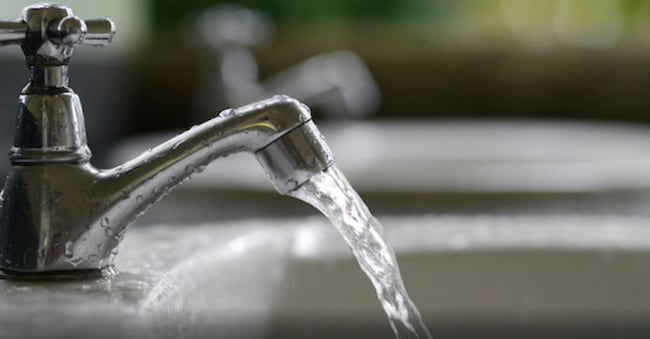
Danger to health can lurk even where one least expects it, such as drinking a glass of tap water. An automatic and completely innocent gesture, which could conceal an insidiousness. Spoiler: we are not talking about dirty or contaminated water. But of something unsuspected: salt. A new international study, published in BMJ Global Health sets off a new alarm bell: drinking high-salinity water is associated with increased blood pressure and thus over the years with a possible increase in cardiovascular risk. A risk that is by no means negligible, indeed, according to the authors comparable to that of sedentariness.
The Studio
This is suggested by this new meta-analysis that examined the results of 27 observational studies conducted on 74 thousand people in 7 different countries. The message: people who consume 'saltier' drinking water have an average increase in systolic blood pressure of 3.22 mmHg and diastolic blood pressure of 2.82 mmHg. This may seem negligible, but it is not so at the level of the individual (for every 5 mmHg increase in systolic blood pressure, the risk of mortality increases by 10%), nor even less so at the level of the community, where the risk of hypertension, in communities that drink water too rich in salt, is increased by 26%. A level of risk that is by no means negligible, comparable - the authors recall - to that of low physical activity, which increases the probability of hypertension by 15-25%. In short, projected on a large scale, tap water that is a little too salty risks becoming a public health problem.
More at risk in the Global South
The problem is particularly evident in coastal areas of low- or middle-income countries, where freshwater aquifers easily come into contact with seawater and where access to advanced purification systems is limited. In short, the 'salty tap water' effect is far less impactful in the US than in the coastal areas of Bangladesh. Rising sea levels, coastal erosion and intensive exploitation of water resources all make an important contribution to the phenomenon. For the rest, that excess salt (from whatever source) contributes to higher blood pressure levels has long been known, perhaps because it causes arteries to become more rigid, or reduces the production of nitric oxide (a potent vasodilator produced by the cells lining the vessels), or due to excessive activation of the sympathetic nervous system. An excess of circulating sodium, in short, however you look at it, is a stress test for the cardiovascular system.
In short, there is a new risk factor and not a storm in a glass of water, even if it has not yet been 'attentively monitored' by the World Health Organisation, which to date gives no indication of the maximum acceptable limit of sodium in drinking water. At the moment, the only protection comes from the taste buds: above 200 mg/litre of salt, water tastes horrible and people are wary of drinking it.
Food first 'defendant'
The authors of the study show their common sense when they point out that the main source of sodium is still food, or rather 'untrue' food as the latest Dietary Guidelines for Americans put it, i.e. ultra-processed, ultra-processed (and ultra-salty) industrial food. On the other hand, in high salinity environments, water can also make an important contribution to total daily sodium intake. Further research will be needed to examine the connections with heart attacks and strokes and to devise suitable strategies to counterbalance the effects of excessive salinity from tap water, especially in coastal areas, the most vulnerable to the impact of climate change. But the take home message is clear: even what we take for granted and healthy, like a glass of water, can hide pitfalls and impact our health in the long run.

