
White meat: record consumption of 22.5 kg per person. Turnover for the sector stands at 9.7 billion
Unaitalia General Meeting: 44 per cent of Italians’ meat consumption comes from poultry
by E.Sg.
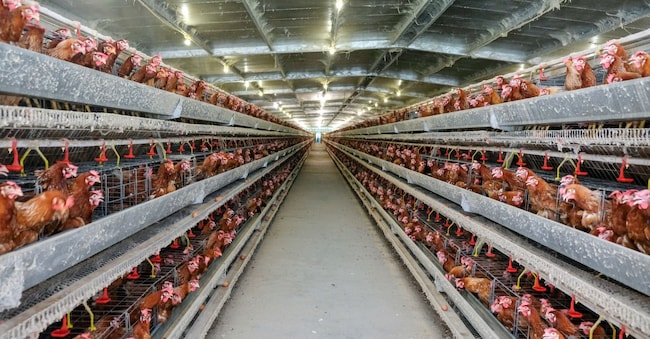
Production is on the rise and consumption has reached an all-time high for the Italian poultry sector, which is set to achieve a turnover of 9.7 billion euros in 2025. According to figures presented at the general meeting of Unaitalia, the association of poultry meat and egg producers, domestic white meat production has increased by 1.73% compared with 2024, whilst per capita consumption has reached an all-time high of 22.47 kg (+1.91%), confirming its central role in Italians’ dietary habits.
Today nine out of ten Italians consume them, and the sector accounts for 44% of households’ total meat purchases. This growth is accompanied by a high level of self-sufficiency in production, standing at 105.1%, which enables the sector to make a significant contribution to the stability of the national food supply.
Sales of eggs are also on the rise, with Ismea data showing a 5 per cent increase in value and a 7.4 per cent rise in volume; consumption reached 234 eggs per capita, up by +7.3% compared with the previous year.
“The results are in line with the main international trends,” says Antonio Forlini, president of Unaitalia – ‘OECD/FAO estimates indicate, in fact, that over half of the growth in global meat consumption forecast by 2030 will be accounted for by poultry production, confirming its growing importance in global food systems’.”


