
Why Russian assets remain the most feasible option for financing Ukraine
Many doubts still remain, but the only alternative would be to resort to new joint debt, which some European countries do not want to hear about
from our correspondent Beda Romano
 Aggiungi Il Sole 24 Ore
ai preferiti su Google
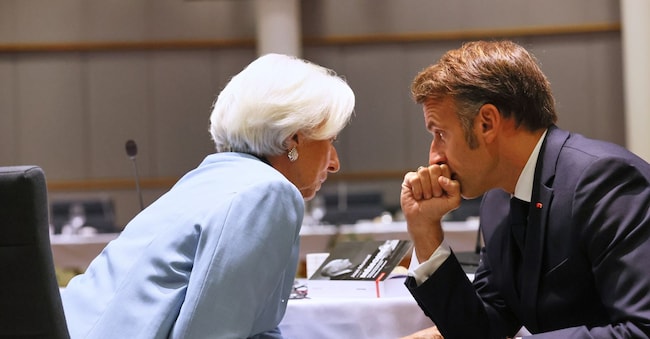
BRUSSELS - At this week's European summit, the Twenty-Seven made a solemn commitment to financially support Ukraine also in 2026-2027. The how remains a puzzle. The idea of using Russian assets frozen at the time of the Russian invasion raises doubts, and not only in Belgium where much of the money is deposited. Ultimately, however, it may turn out to be, incredibly, the least indigestible of the options.
The Belgian government put up a fight during the summit, demanding guarantees against the economic risks of the operation. Several diplomats explained that other national leaders would be hiding behind Prime Minister Bart De Wever. "This solution raises legal and risk-sharing issues," French President Emmanuel Macron admitted on Thursday night, after the summit was over, noting, however, that it remains the most promising path to help Ukraine in the coming years.
The European Commission will soon put possible options on the table. Which ones, it is not clear. One negotiator explained yesterday: 'There are three possibilities: the use of frozen assets, new joint debt, or abandoning Ukraine to its fate. Since the latter choice is not taken into account, the other two remain. The first seems to me to be the one most digestible for the governments. Some countries - starting with the Netherlands and Germany - do not want to hear about new joint debt.
According to many diplomats, it is precisely Germany that has complicated the ongoing negotiations. Chancellor Friedrich Merz's decision to give his support to the use of Russian assets in a comment trumpeted in the Financial Times at the end of September has triggered a public debate that has penalised an already complex negotiation. Moreover, one has to wonder whether the chancellor did not advocate this solution in order to clear the table of the possibility of new joint debt.
Commission President Ursula von der Leyen explained on Thursday night that the use of Russian reserves remains the main option, fraught with legal doubts but less costly for European budgets. Political leaders note that new European debt might seem simpler, but entails capital risks and also interest rate costs. "Leaders will be asked to compare the alternatives," European Council President António Costa said on Thursday night.


