
Wine tourism, business growing to 3.1 billion
According to Nomisma, hospitality activities contribute on average more than 20% of the turnover of Italian wineries, which are increasingly equipping themselves to offer a wide range of experiences to accompany the classic tasting

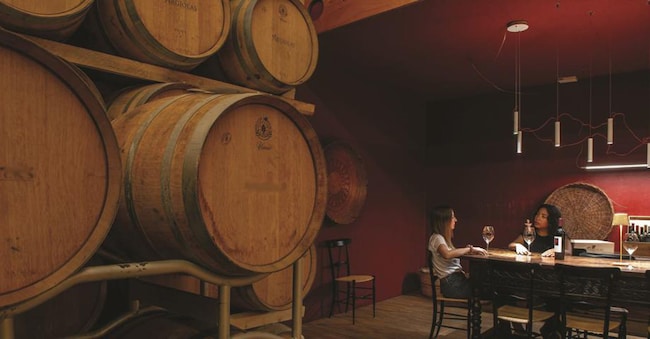
Wine tourism is growing and becoming an increasingly important item in the budgets of Italian wine cellars. Especially the 'family-run' ones, whose authenticity is climbing up the ranks in the preferences of visitors and which over the years have been better equipped to expand their hospitality capacity.
This is a sector in which there are still many opportunities for development, especially with a view to diversification and deseasonalisation of experiences. A gamble that can only continue to be successful, however, if the obstacles linked to the insufficient digitalisation of the offer and its greater integration within the packages of international tour operators and the territories' cultural tourism system are effectively addressed.
This is the picture that emerges by cross-referencing the anticipations of some research presented during the Vinitaly. And the same, growing spaces that the fair dedicates to wine tourism are a practical demonstration of the growing interest in this activity, no longer residual at a time when wine consumption is declining (for cultural and lifestyle reasons, even before than for economic issues).
According to Nomisma Wine Monitor Unicredit's first report on Oenotourism in Italia, produced in collaboration with Città del Vino, in 2025 this activity generated a value for Italian wineries of approximately 3.1 billion euro, contributing on average 21% to wineries' turnover.
The average visitor expenditure," reads the report, "shows significant variations according to the services used, with the highest value components, in particular purchases at the winery and overnight stays, exceeding 100 euro per person. The overall trend, according to Nomisma, "is confirmed as strongly growth-oriented, both in the snapshot of the last few months and in expectations for the future: both flows and turnover show positive dynamics, driven in particular by the more structured companies, which are able to intercept segments of visitors willing to invest in more articulated, immersive and highly personalised experiences". Analysing the companies' offerings, the Observatory identifies some "clear evolutionary drivers": the search for multi-sensory and narrative itineraries, the consolidation of slow tourism as the value framework of the experience, the growing centrality of the outdoors as a space for authentic enjoyment and, lastly, the expanding demand for customised packages.


