
With Sofine, Sicily wants to be the Mediterranean (and sustainable) cotton capital once again
The project of two entrepreneurs aims to revive cotton cultivation on the island, once an important centre of fibre production. With the help of renewable energy technologies and an eye on inclusion

2' min read
2' min read
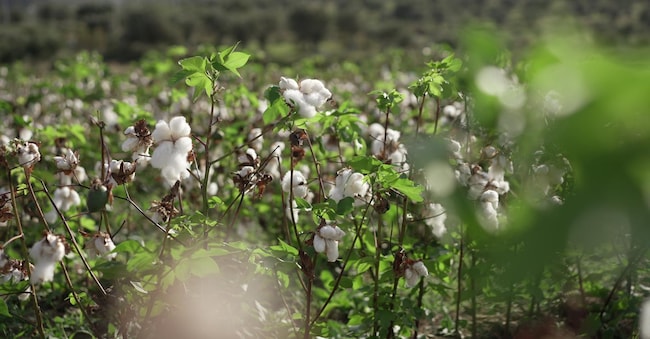
Creating a 100% Italian cotton supply chain starting from Sicily: the Sofine brand project, an acronym for Select Organic Fibers for Italian New Elegance, was announced during the recent G7 Agriculture Summit in Syracuse by Managing Director Aliai Venturi Quattrini and her husband Riccardo Cammalleri, Vice-President ICS Group (active in the energy, agriculture, biofuels and real estate sectors).
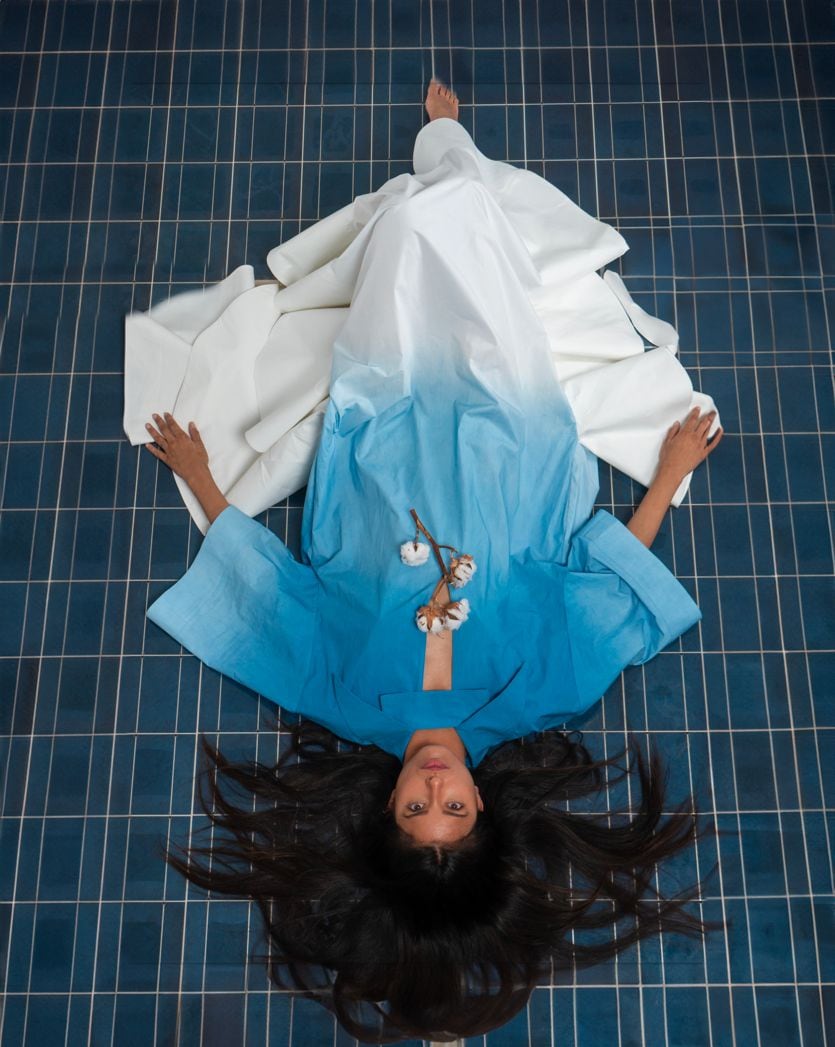
Also part of the project is the 'Earthmade in Italy' capsule, in 100% Sicilian organic cotton and Gots certified, characterised by minimalist cuts and light colours (the dyes are based on natural pigments), signed by Syracuse designer Andrea Piccione and made by a pool composed entirely of Sicilian tailors. In addition to being authentically sustainable, the collection also has a strong technological connotation: during the fashion show that presented the capsule, the models walked on a catwalk made up of those photovoltaic panels that are part of Sofine's most daring and winning gamble.
"We do not want to compete with fashion brands, but rather to demonstrate through this collection the goodness and naturalness of our cotton," explained Aliai Venturi Quattrini, "emphasising the strong link with the island territory, where we grow this plant between Delia, Menfi and Catania. Our goal, in fact, is to become the identifying brand of Italian cotton of excellence within a few years'.
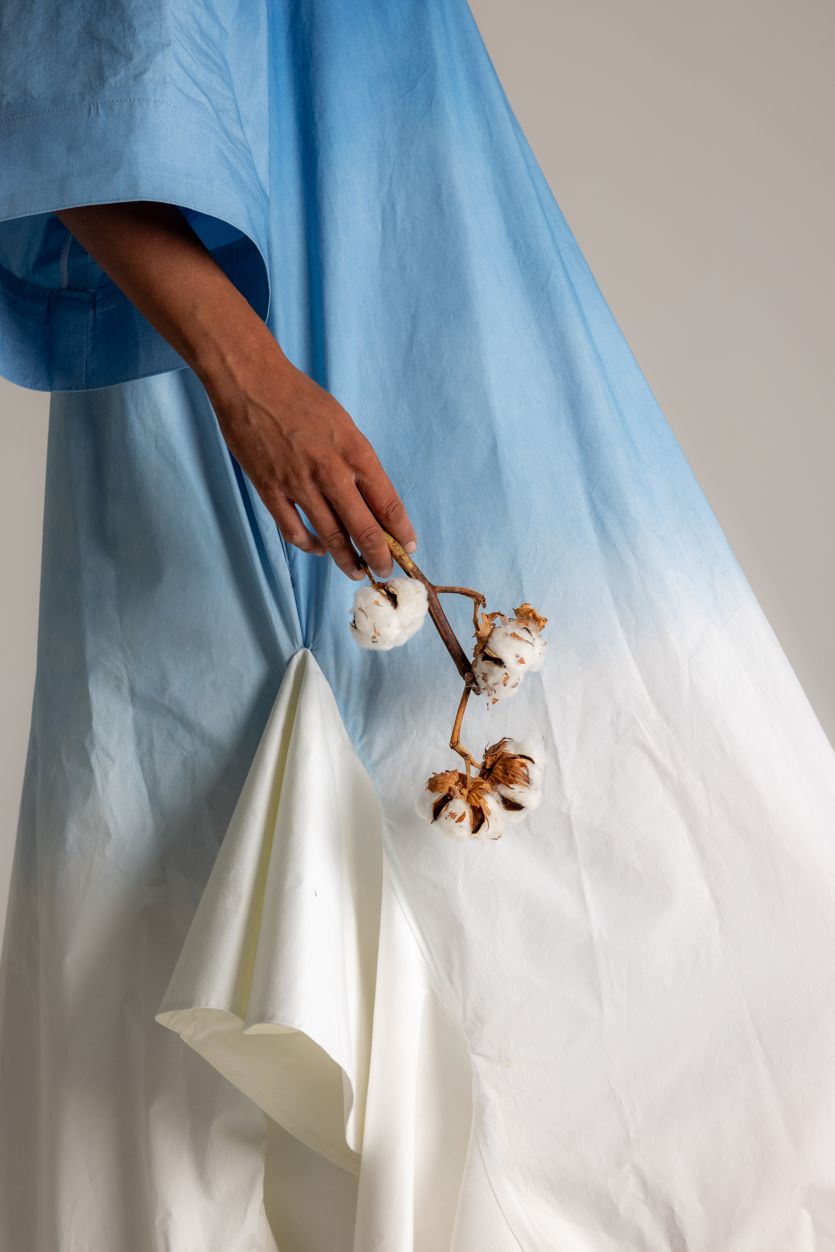
Sofine's development projects - it should be remembered that until the 1960s the Gela Plain was one of the most important producers in Europe - include agreements with political and economic institutions in the Palermo and Cefalù area also for the harvesting of Kapok flower, a botanical species that arrived on the island with the Arabs and from which a very refined and resistant cotton is obtained. "Our recent business plan envisages significant investments over the next three years," says Riccardo Cammalleri, "to extend the cultivated area to over a thousand hectares in Sicily alone, and above all to improve the processes of cotton cultivation, harvesting and ginning. Decisive for us is to adapt the photovoltaic plants to the agricultural needs, raising their height so that cotton can be easily grown under them. Therefore we have raised the panels we already produce from one and a half metres to three metres. Thus the cotton, which generally never exceeds 150 centimetres, will be able to grow serenely. In many cases, harvesting is done by hand so as not to stress the fibre. In addition, in agreement with the various prefectures, we would also like to give immigrants a chance at work'. Sustainability and solidarity in Sicily can grow together.

