

Without sleep there is no health: one in four Italians suffers from insomnia. Here are the risks, causes and how to treat it
Sleep deprivation impairs nervous system functions, weakens the immune system, compromises metabolic and cardiovascular health, impairs mood, concentration and social relations
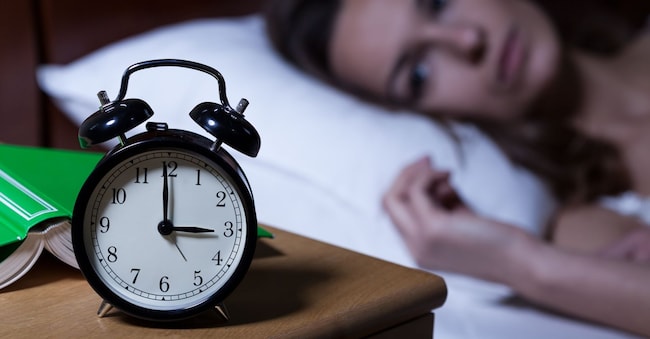
In Italy, 1 in 4 adults suffers from sleep disorders and 10-15% from chronic insomnia, but the problem is often underestimated or treated lightly. Yet, sleep deprivation alters nervous system functions, weakens immune defences, compromises metabolic and cardiovascular health, and worsens mood, concentration and social relationships. The great artists of every era have depicted insomnia as a condition that affects psychophysical balance and emotions: Michelangelo (La notte); Goya (Il sonno della ragione genera mostri); Munch (Notte insonne); Dali (Il sonno) and contemporaries Wall (Insomnia) and Bourgeois (Insomnia Drawings). Today, science confirms that good sleep is an ally of health, prevention and social cohesion, and invites us to recognise and deal with insomnia, without trivialising it.
The possible causes of insomnia
Insomnia, its causes and risks were the focus of a meeting in Milan - 'Hypnosis - Turning on the night' promoted by Neopharmed Gentili - that proposed a journey through 15 works of art dedicated to the theme of insomnia, narrated by the artistic director of the Museo Novecento in Florence Sergio Risaliti, in a dialogue between art and science to draw attention to the value of sleep as an 'invisible cure'. Insomnia - informs a note - can manifest itself as difficulty falling asleep, frequent nocturnal awakenings, early awakening or non-restorative sleep. When the disorder is repeated for at least three nights a week and lasts for more than three months, we speak of chronic insomnia. "Sleep is a primary need and a powerful preventive factor," explains Carolina Lombardi, director of the Sleep Medicine Centre, Istituto Auxologico Italiano Irccs in Milan. "It protects the cardiovascular system, promotes tissue regeneration and the elimination of waste from our brains, reducing the risk of neurodegenerative diseases. The causes of inadequate sleep can be many: anxiety, stress, alterations in the circadian rhythm (sleep-wake cycle), sleep breathing disorders, or depression,' the expert lists. 'The effects affect the entire organism: from the nervous system to the immune system, from the endocrine system to the cardiovascular system, influencing the regulation of emotions, temperature modulation, the sense of hunger and satiety, blood pressure and heart rate. It is a condition that deserves attention and targeted treatment'.
Main Health Risks
Scientific evidence shows that lack of rest increases the risk of psychiatric, metabolic and cardiovascular disorders. In young people, the co-existence of multiple insomnia symptoms is associated with a higher risk of hypertension in later years. Not surprisingly, the American Heart Association has included sleep among the 8 pillars of cardiovascular health. 'Poor sleep does not only compromise health: it also undermines relationships and social cohesion,' emphasises Claudio Mencacci, psychiatrist and co-president of the Italian Society of Neuropsychopharmacology. 'There is a bidirectional relationship between sleep and kindness: those who sleep poorly are more irritable, less empathetic and more prone to conflict. Good sleep, on the other hand, promotes emotional regulation, and peaceful relationships, in turn, improve sleep quality. However, many patients live with insomnia for months without recognising it: lack of awareness is the first obstacle to diagnosis'. To raise awareness of insomnia, the 'If you want to be awake, sleep' awareness campaign is online. The initiative, promoted by the pharmaceutical company, gathers real experiences related to sleep disorders and advice from experts to spread a new culture of sleep as an integral part of health.
How to cure insomnia
"Insomnia is much more widespread than is apparent in clinical practice,' points out Cesare Liberali, general practitioner, Asst Milano. 'Many patients live with the disorder for a long time without talking to their doctor, unaware that poor sleep is often a warning sign. Early diagnosis avoids chronicisation and allows an effective and personalised therapeutic pathway to be set up. The general practitioner has a central role in the classification of insomnia, which starts with the clinical interview and, in more complex cases, may be supported by instrumental examinations such as polysomnography. Education in proper sleep hygiene is also fundamental, i.e., that set of daily habits that help to have quality rest'. Lombardi adds: 'International guidelines recommend a gradual approach. It starts with non-pharmacological interventions - lifestyle modification, sleep hygiene, cognitive-behavioural therapy - and ends with specific pharmacological therapies depending on the primary cause of insomnia identified in the various cases. The correct diagnosis is therefore fundamental, allowing the therapy to be personalised according to the type of disorder and any comorbidities'. All information and testimonials are available at sevuoiesseresvegliodormi.it, and on the YouTube and Spotify platforms. The network of Sleep Centres in Italy is available on the campaign website, along with good practices and advice from specialists to promote restful sleep.

