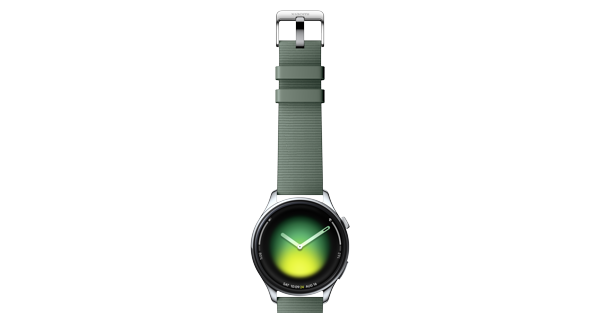
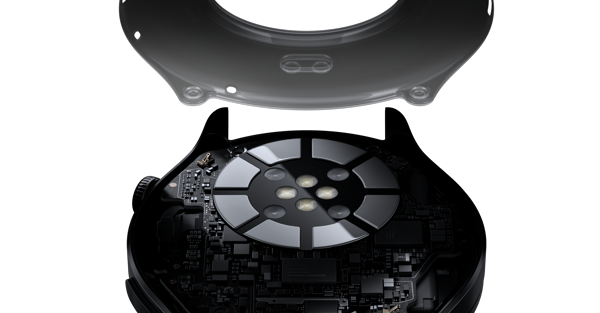
Xiaomi Watch 5, Wear OS arrives and the battery that was missing from smartwatches

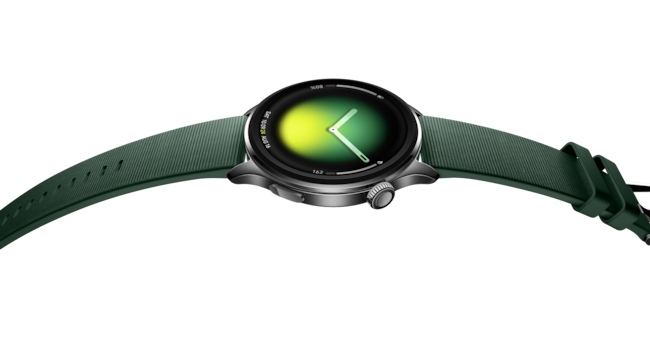
Xiaomi is used to entering the electronics market with a cheiara logic: take a mature product, cut the price and fix the main weak point. In the case of smartwatches, the weak point has always been one: the battery.
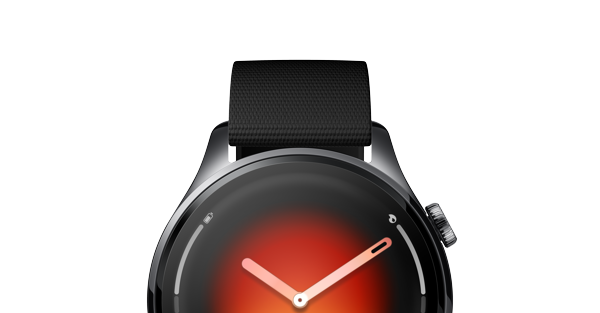
The Watch 5 is a sober, rounded object without any special effects. Bright AMOLED display, solid construction, correct ergonomics. It doesn't want to impress, it wants to work. And above all, it wants to last.
The real breakthrough is the software. The adoption of Wear OS completely changes the product category. We are no longer looking at a smartband disguised as a watch, but at an extension of the smartphone. Here come real apps, NFC payments, full notifications, voice assistant. In perspective, even Gemini, the artificial intelligence that turns the watch into a predictive rather than reactive interface. A small node in the Google ecosystem, always on the wrist.
But the fact that counts is the autonomy. In the Wear OS world, historically, you live with a charger in your pocket. The Apple Watch remains on 18-24 hours, the Pixel Watch a little more, while OnePlus has managed to go further by sacrificing something on the software. Xiaomi tries to keep the two together: full system and long battery. This is where the industrial game is played. If it really does hold up more days with real use, it is not an incremental improvement. It is a change of balance.
On the health and sports front, the Watch 5 does everything expected today: heart rate, oxygenation, sleep, GPS, dozens of activities. It works well, but does not excel. If Apple has built a quasi-clinical reference and Google relies on the Fitbit ecosystem, Xiaomi remains a step behind in data accuracy and reliability. It is sufficient for the average user, not for those who measure every heartbeat as scientific data.