

Generic medicines: young people remain ‘unimpressed’ – a lack of information and trust, whilst AI is on the rise
Awareness of ‘generic’ medicines has fallen by 5% over the past five years, and amongst Gen Z, only 50% say they are familiar with them, compared with an average of 70%; meanwhile, people are turning increasingly to the internet, artificial intelligence and over-the-counter medicines
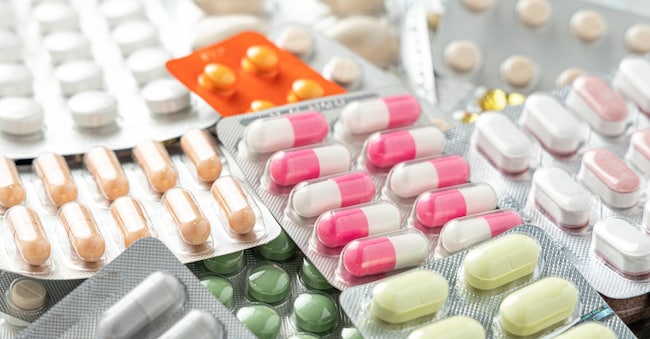
On average, they are mindful of their health but, when faced with the many minor physical and mental ailments they suffer from, they rely too heavily on artificial intelligence and quick fixes found on the internet. The use of over-the-counter medicines is on the rise, whilst awareness of and confidence in generic medicines is failing to take off, particularly amongst the younger generations.
Research
This, in a nutshell, is the picture that emerges from the research carried out by SWG between April and May, based on a sample of 2,500 adult citizens representative of the Italian population. The study, now in its third edition, is being presented at the Ministry of Health as part of the event ‘It’s called an equivalent, you call it a choice’, an event promoted by Cittadinanzattiva to mark the conclusion of the sixth edition of the ‘IoEquivalgo’ campaign, organised with the unrestricted support of Egualia and in collaboration with Federfarma and Fofi. The initiative is held under the patronage of the Ministry of Health.
The IoEquivalgo campaign, now in its sixth year, was launched with the aim of raising awareness of and improving access to generic medicines in Italia, and of bridging a cultural and economic divide that particularly disadvantages low-income groups, for whom the cost of co-payments for medicines is higher.
A surplus of 1 billion from citizens
Indeed, even in 2025, as revealed in the Egualia Research Centre’s annual report on trends in the Italian generics market, consumers paid a price differential – that is, the extra cost of choosing the more expensive brand-name product over its generic equivalent – amounting to over one billion euros. In particular, residents of Lazio and Molise spent the most, whilst those in Lombardy spent the least. From a regional consumption perspective, the use of generic products continues to be more prevalent in the North (41.4% by volume and 34.6% by value), compared with Central Italia (30.1% by unit and 27% by value) and Southern Italy (24.8% by unit and 22.5% by value), against an Italia average of 33.3% by unit and 29.1% by value. The highest proportion of equivalents is recorded in the Autonomous Province of Trento (45.9%), Lombardy (43.5%) and Piedmont (42.1%). At the bottom of the table for consumption of equivalent products are Basilicata (23.9%), Calabria (22.5%) and Campania (21.7%).
“Over the years,” explains Valeria Fava, head of health policy at Cittadinanzattiva, “we have reached every region in Italia by setting up travelling information stands in town squares and universities across 22 cities. Citizens and students have been involved in this community-based information initiative thanks to the signing of memoranda of understanding with various regions, including Campania, Sicily, Marche and Sardinia. Practical tools are also available to the public, such as the portal www.ioequivalgo.it and an app providing clear, verified and up-to-date information. In this edition, we have also worked with Federfarma and FOFI to develop a distance learning course on effective communication – attended by more than 2,700 pharmacists – with the aim of providing further tools to reduce bias and increase public confidence in generic medicines. The course was very well received by professionals, 96 per cent of whom consider training in this area to be very important.”

