
Zuckerberg (Meta) and Ek (Spotify), warning Europe: 'It's losing AI train'
Meta and Spotify CEOs warn Europe about delays in Artificial Intelligence
by B.Sim.
2' min read
2' min read
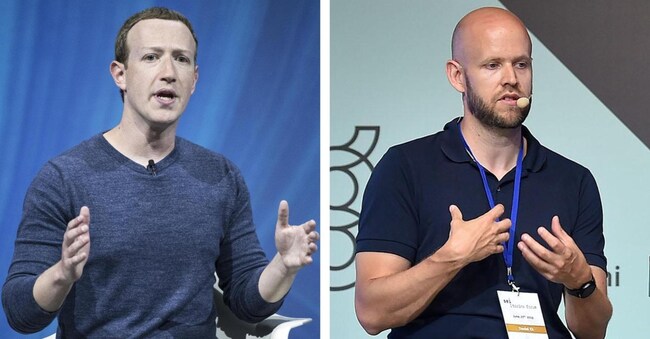
In a letter published by the Economist, Mark Zuckerberg (CEO and founder of Meta) and Daniel Ek (CEO and co-founder of Spotify) expressed their views on Europe's delays in Artificial Intelligence. The two visionaries emphasised the EU's restrictive policies, describing them as risky at a time in history when losing the AI train could jeopardise the future.
"This is an important moment for technology. - it is written - Artificial intelligence has the potential to transform the world, increasing human productivity, accelerating scientific progress and adding trillions of dollars to the global economy. But, as with any innovative leap forward, some are better positioned than others to take advantage of it'.
For the two CEOs, the gaps between those who have access to this extraordinary technology and those who do not "are already starting to appear. That is why a key opportunity for European organisations is through open source artificial intelligence models whose codes are made public so as to 'ensure' that power is not concentrated among a few big players and, as with the Internet before it, creates a level playing field'.
"The Internet," Meta and Spotify's CEOs recall, "runs largely on open source technologies, as do most major technology companies. We believe the next generation of ideas and startups will be built with open source artificial intelligence, as it allows developers to incorporate the latest innovations at low cost and gives institutions more control over their data. It is the best chance to harness artificial intelligence to drive progress and create economic opportunity and security for all."
Moreover, the two write, "with fewer developers than America, Europe is particularly well positioned to create this wave of open source Al. However, its fragmented regulatory structure, riddled with inconsistent implementations, hinders innovation and holds back developers. Instead of clear rules to inform and guide the way companies do business across the Continent, our industry faces overlapping regulations and inconsistent guidelines on how to comply with them. Without urgent changes, European companies, academics and others risk missing out on the next wave of technology investment and economic growth opportunities'.

