
23% of Italian households' expenditure consists of fruit and vegetables worth 43 billion
According to the Ismea Niq Observatory presented at MacFrut in Rimini, consumption is growing both in value and volume

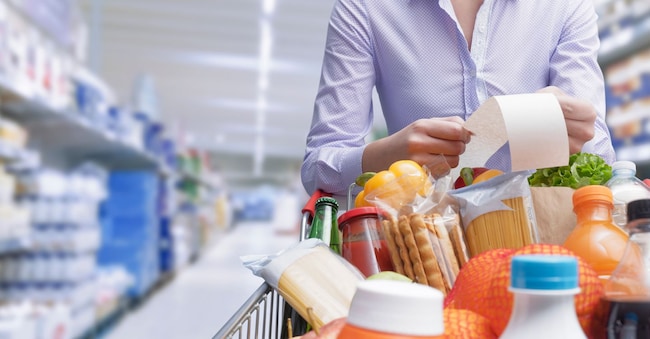
Italian families confirm a strong focus on healthy, sustainable and vegetable-oriented food and are rediscovering the pleasure of cooking at home. At least according to the picture presented by Ismea on the occasion of Macfrut 2026, entitled 'The fruit and vegetable purchases of families with children under 16 - The choices of families feeding the Alpha generation'.
In 2025, total household expenditure on food and non-alcoholic beverages reached EUR 193.7 billion, an increase of 3% compared to the previous year. Within the sector,fruit and vegetables confirmed their leading role with a value of almost 43 billion euro and a 23% share of total food. Data from the Ismea-NIQ Observatory show a widespread increase in the consumption of fruit and vegetables, both in value and volume. In particular, purchases of vegetables (+3.3%), potatoes (+5.3%) nuts (+2.7%), canned vegetables and legumes (+0.7%), frozen vegetables (+0.8%), frozen potatoes (+1.4%) will grow in 2025, chestnuts (+4.6%), kiwifruit (+7.2%), strawberries (+8.9%), with particularly dynamic performances for some categories such as red fruits (blueberries +26%, blackberries +37%) and tropical fruit (mangoes +36%, avocados +47%). Also very positive was the organic segment, which recorded an increase of 7% in quantity and 7.9% in value.
Consumption choices are influenced by profound demographic and social changes: in Italia there are more than 26.6 million households, about 4 million more than 20 years ago, with a increasing incidence of one-person households. 28% of households are then represented by couples with children, plus 11% of one-person households, while 20% are childless couples.
In this context, families with children of the Alpha Generation represent a strategic segment because these young consumers increasingly influence their purchasing choices. Their relationship with fruit and vegetables, however, remains ambivalent: while on the one hand parents promote a balanced diet, on the other hand children are exposed to a very wide range of food on offer, including snacks, convenience products and foods with a high hedonistic content.
Families with children under 16 also show a greater propensity towards products with a high service content, such as frozen food, canned vegetables, ready-to-eat vegetables and fruit juices, with higher than average purchase shares. Nevertheless, fresh fruit and vegetables continue to be central elements of the basket, albeit with a slightly lower weight than the national average.


