
Saffron, 90% comes from Iran: stocks are enough for six months
One of the effects of the war was the halting of imports of the precious spice, which, on the other hand, is seeing growing demand. Ridiculous production in Italia

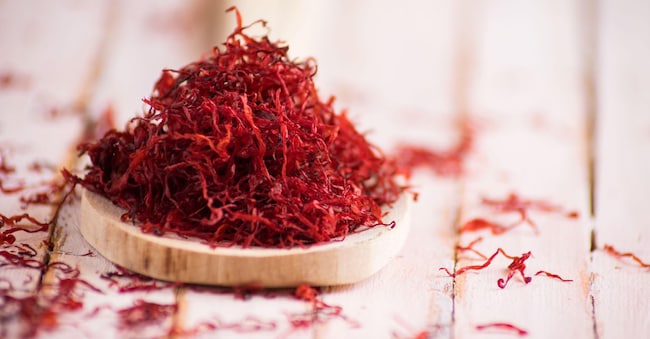
Saffron at risk? The war in Iran is seriously jeopardising the world's largest producer of this prized spice, of which it concentrates 90% of its 300,000 kg world production and is the leading exporter. With repercussions also in Italia, among the top five importers, where producers contacted by Il Sole 24 Ore confirmed that they only have stocks for 6-7 months.
What could happen, however, with the next harvest year, autumn 2026? "If the conflict in Iran continues, importers may not be able to participate in auctions in Iran or contract shipments by sea or air in early 2027. In this case, given Iran's weight in the global market, the risks of product shortages and serious supply difficulties could become real,' explains Filippo Roda, senior analyst at Areté.
The critical situation on the supply side is confronted by a demand that, on the other hand, knows no crisis, particularly in the catering sector but also in modern distribution, where sales have been growing steadily for at least the last five years. In the year ended last August, Niq recorded an increase of almost 5% in volume, close to 6,000 kg, and 2.5% in value, with total takings of 40.5 million euros.
If saffron remains in last place in the ranking of the main spices in terms of quantity purchased, in that by amount of expenditure it flies into pole position ahead of pepper (38 million euro sell-out) and well behind chilli pepper, cinnamon and nutmeg. This is due to a jeweller's price (6,748 euros per kg on average, rising to 50,000 euros per kg for local niche products), dictated by the complexity of production: 150,000 flowers are needed to obtain one kg of dried saffron, for a total of 600 hours of work. And all the processing is strictly handmade. The cost of production, therefore, does not seem to be compressible, nor do the market quotations. And so retailers often resort to offers, using saffron as a product that creates shop traffic. In fact, promotions account for 18% of sales against an average of 3% for other spices.
So far, the high price has not held back saffron purchases by Italians. But what will happen when there is less availability of Iranian product? It is difficult, if not impossible, to find alternative suppliers. The entire EU imports large quantities but does so mainly from Iran, and to a lesser extent from Afghanistan, Morocco and India) with Spain in the lead, which concentrates half of the non-EU imports as it partly processes them and then resells them in other countries.

