
A digital passport will provide information on the life cycle and supply chain of products
The QR code or RFID tag will provide information on composition, carbon footprint, reparability and the production chain. Penalties are envisaged, such as a ban on placing the product on the market

Full traceability of the life cycle of products manufactured in the European Union and those imported: via the Digital Product Passport (DPP), for which by 19 July a dedicated European Register is due to become operational, containing the unique identifiers of the DPPs; information on products, components and materials will be made available to users and supervisory authorities, including Customs.
A comprehensive analysis of every single product, which will require all those wishing to market it to check and update, at every stage , the information printed on the relevant packaging. So not a static analysis, but a dynamic and participatory certificate, in which everyone plays their part. For the more lax among us, just around the corner, penalties and restrictions enforced through the coordinated monitoring carried out by the authorities and consumers, both of whom are keen to prevent sales from expanding – whether in terms of safety, adulteration, health or pollution – would result in products being at risk.
What’s new
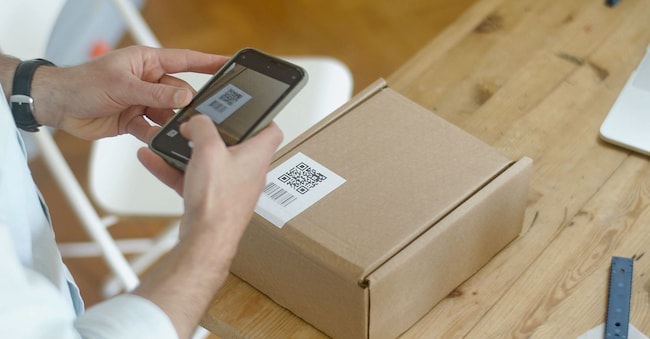
Every physical product placed on the market must be accompanied by a two-dimensional code, such as a QR code or an RFID tag, affixed directly to the product or its packaging, thereby enabling users, through a simple scan, to access specific information such as the composition of the materials, carbon footprint (carbon footprint), reparability, recyclability, disposal instructions and operators involved in the supply chain. This ensures that consumers can make informed choices, whilst at the same time enabling businesses to manageproduction supply chains that are more transparent, by providing access to technical data for the maintenance and reconditioning of the products themselves.
Access to data
By scanning the code affixed to an item of clothing, a household appliance or a battery, consumers will thus have access to a range of standardised and verifiable data regarding the composition and origin of materials, the availability of spare parts, and how to dispose of the products.
In fact, the Dpp actively monitors the product throughout its entire life cycle, updating its records at every stage of the repair process, refurbishment, change of ownership, accompanying the productright through to recycling.

