
After release of EU funds, Magyar promises fight against corruption and membership of the European Public Prosecutor's Office
After years of tension, the Magyar government initiates reforms to revive the economy and restore the rule of law, getting the green light for blocked European funds
from our correspondent Beda Romano
 Aggiungi Il Sole 24 Ore
ai preferiti su Google
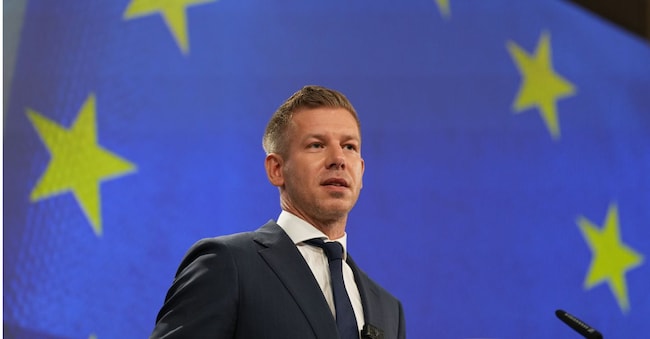
BRUSSELS - A little over a month after the Hungarian vote and Viktor Orbán's exit from the scene, the new prime minister Péter Magyar, 45, has managed to obtain from the European Commission the unfreezing of European funds worth EUR 16.4 billion. "The historic breakthrough," as the new prime minister called it, confirms Hungary's return to the EU fold after more than a decade of tensions with Brussels and other European partners, especially on the delicate rule of law front.
At a press conference here in Brussels, the president of the European Commission spoke of 'a new era for Hungary' since the new premier came to power. "The government she presides over," Ursula von der Leyen explained, "is acting with speed and determination to deliver on the promises made to the Hungarian people, in other words to boost economic recovery, fight corruption and restore the rule of law.
Of the EUR 16.4 billion, EUR 10 billion comes from the NextGenerationEU programme, EUR 4.2 billion are cohesion funds frozen due to the violation of the fundamental principles of the Union, and finally another EUR 2.2 billion are funds blocked due to the Orbán government's controversial choices in the university field. The money will only be paid out after the reforms negotiated by Budapest with Brussels are actually approved.
With regard to the NGEU funds, the Hungarian government will have to submit a revised version of the national reform and investment plan approved in 2022 as soon as possible, based on the compromise reached with the EU executive. The new plan will have to be approved over the summer first by the Commission and then by the Council (this will probably happen in July). Hungary will have to have implemented all the reforms by the deadline of 31 August next in order to get the EU money.
"If I receive so much money every time I come to Brussels, I risk coming more often," the new prime minister joked during the press conference with Mrs von der Leyen. He pointed out that the total European funds correspond to 13 per cent of the Hungarian budget. "It is certainly a lot of money, but the Hungarian people deserve it," he added. The country is suffering economically. The reference rate is at 6.25 per cent and the public deficit this year is forecast by the European Commission at 6.2 per cent of the gross domestic product.


