

The conflict between al-Qaeda and ISIS is escalating in the Sahel
The local branches of the two networks, Jnim and Issp, have stepped up their clashes since September. The conflict now risks spreading to the coast
from our correspondent Alberto Magnani
 Aggiungi Il Sole 24 Ore
ai preferiti su Google
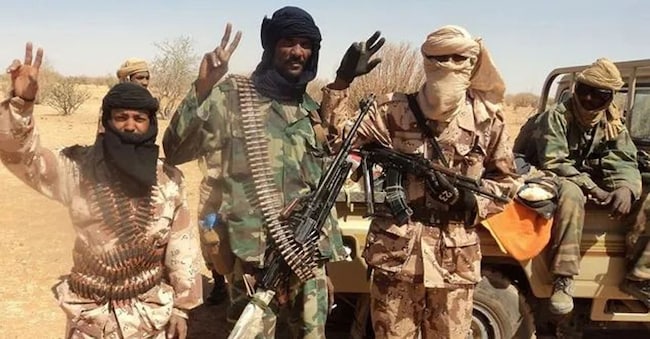
NAIROBI – The border areas between Burkina Faso and Mali have witnessed more than one massacre in recent years. The two massacres that took place between September and October in Kacham and Gonadaouri, in the far north of Burkina Faso, are likely to set a grim record: that of the bloodiest clashes ever recorded in the Sahel conflict between Al-Qaeda-linked fighters from the Group for the Support of Islam and Muslims (Jama’at Nusrat al-Islam wal-Muslimin and JNIM) and the Islamic State in the Sahel (ISSP) – the two jihadist groups vying for territorial supremacy in the African and global epicentre of terrorism.
As the ACLED database notes, during the September clash in Kacham, the ISSP claimed that 200 al-Qaeda members had been killed in combat and 30 subsequently executed, with ‘dozens wounded’ and the seizure of ‘large quantities’ of firearms and motorbikes. The death toll rose further in the Gonadaouri incident in early October, when the ISSP raised the figure to a peak of 400 casualties and displayed the bodies of 120 JNIM militants left on the battlefield.
From the ‘Sahelian anomaly’ to open conflict
The figures released by the Islamic State have not been independently verified, and IS ‘tends to exaggerate’, notes Beverly Ochieng of Control Risks, but these are nonetheless described as the ‘most significant clashes’ to have erupted in the intra-jihadist conflict since it first broke out more than five years ago. The first sparks between the two factions date back to 2019, when the outbreak of violence brought an end to the ‘Sahelian anomaly’ of collaboration between the two networks and intensified the rift between the armed groups within the sphere of influence of al-Qaeda and ISIS. ACLED has recorded 320 clashes and 2,200 fighters killed between mid-2019 and the first nine months of 2026, marking the beginning of an escalation that could further intensify the brutality and scope of the conflict.
Spill-over risks to the coast
The escalation in clashes since September is taking its toll ‘not only because of the violence on the ground, but also because of the ideological war’, says Ochieng of Control Risks. The conflict between jihadist groups, explains researcher Acled Héni Nsaibia, stems from factors such as ‘competition for territorial influence, control over local communities, recruitment and access to resources derived from artisanal mining, as well as taxation on livestock and crops’, against a backdrop of ‘overlapping operational areas’ along crucial transport routes and transit corridors. Now, says Nsaibia, the expectation is that the escalation could spread and extend beyond the most volatile border of Burkina Faso. To the north lies a turbulent North Africa, but fears are focused primarily on the south, where the risks of the so-called spill-over towards the coastal countries of West Africa are becoming a reality. The most immediate risk is that ‘clashes will occur where both JNIM and ISIS are gaining ground’, says Ochieng of Control Risks, citing borders such as north-western Nigeria, the northern borders of Togo and Benin, and Côte d’Ivoire.


