

Alzheimer's: three new strategies to defend memories beyond the brain
New findings suggest that social memory can be preserved not only by acting on the brain, but also through metabolites and muscle signals, opening up new therapeutic avenues.

Key points
Protecting social memory - the memory that enables us to recognise our loved ones - is one of the most painful and indispensable challenges in the fight against Alzheimer's disease. From the networks that protect neurons to the biochemistry of ageing and the surprising communication between muscles and the brain, three international researches published in the last few months open up as yet unimagined scenarios. And they suggest that memories could be defended not only by intervening in the brain, but also through entirely new pathways.
The networks that protect neurons
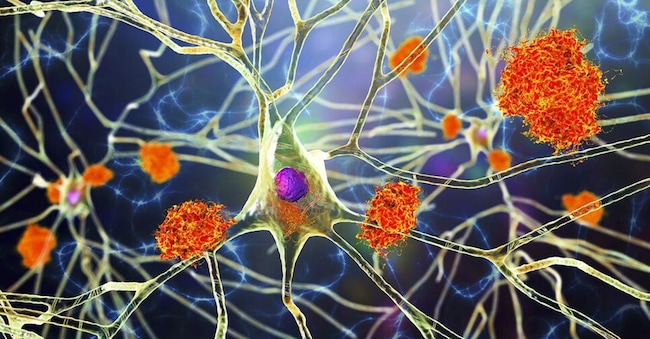
A new discovery from the University of Virginia and Virginia Tech paves the way for an innovative approach: the protection of perineuronal networks, structures that surround neurons and regulate brain communication. Scientists have shown that their degradation selectively damages social memory, making it impossible to recognise familiar individuals, while object memory remains intact. A phenomenon that mirrors what happens in patients: the face of a child may become unrecognisable before any object.
'Finding a structural change that explains a specific memory loss in Alzheimer's is very exciting,' says co-ordinator Harald Sontheimer. 'This is a completely new goal and we already have suitable candidate drugs available.
The team tested matrix metalloproteinase (MMP) inhibitors, already studied in oncology, in mice: by blocking the degradation of perineuronal networks, the animals retained the ability to remember other mice.
'When we protected these brain structures early in life, the mice with this disease were better able to remember their social interactions,' explains researcher Lata Chaunsali.


