
Here are the B-Suvs on which new CEO Antonio Filosa is banking to relaunch Stellantis: engines, platforms and features
B-Suv Stellantis, the offer and the technical basis

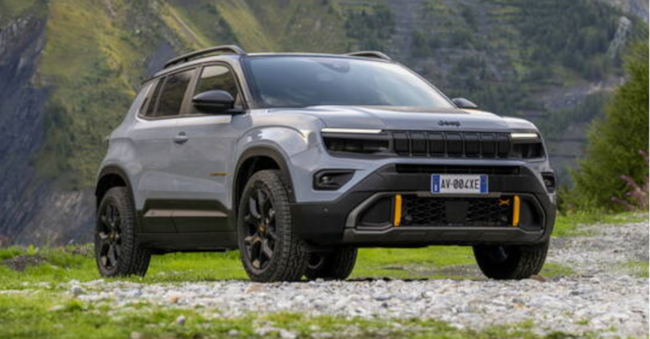
Start again with B-Suvs. Urban crossovers, those with lengths of around 4 and 4.20/4.30 metres, are at the heart of the European market. And regardless of the type of drive, electric or hybrid, they are strategic and top of the sales charts. The Stellantis group has a wide range of motorbikes on offer, with many models from different brands, offering a range of alternatives to French competitors, Renault Captur, Dacia Duster, German competitors (Vw T-Cross, Skoda Kamiq for example), Japanese competitors (Toyota Yaris Cross), Koreans (Kia Ev3 to stay in the electric Hyundai Kona) and, in perspective, the Chinese, who are focusing on this sector. Inevitably, Antonio Filosa, the new CEO of Stellantis, will have to capitalise on this great offer and manage brands and models, with appropriate strategies to avoid overlaps. But it must be said that the group's firepower in this sector plays in its favour.
Architecturally, Stellantis' B-segment SUVs fall into two categories. Those based on the Cmp2 platform and those on the Smartcar chassis. These are two multi-energy architectures, capable of mounting mild hybrid, petrol or full electric engines. Smartcar is an economical variant of the Cmp2, developed around 2012 by Peugeot with DongFeng, while the CMP2 is an evolution of the original structure used for numerous models of the former Psa group. With the merger between Fca and Psa, the French way was chosen in partica with the low-cost Smartcar variant also being used, while the next-generation unified platform STLA Small is expected to see the light of day next year with the new generation 208 and 2008. CMP2 is used for the Tychy twins, Alfa Romeo Junior, Fiat 600 and Jeep Avenger and for models such as the Peugeot 2008 and Opel Mokka made in other group plants. Smartcar, on the other hand, gives way to the Citroen C3/C3 Aircross, built for Europe in Trnava, Slovakia, and the Granda Panda assembled in Serbia. The electric variants make use of a 50 Kwh battery and a 136 hp electric motor, while the thermal and hybrid variants use the three-cylinder PureTech engine, in an evolution with a timing chain to solve the problems that have plagued these units. The powertrain is combined with manual gearboxes or electrified eDct transmissions with an integrated electric motor, resulting in 48 volt mild hybrids.

