
Bee Day, 2 billion added value in agribusiness from pollination
Unione italiana food: 15 thousand tonnes of honey handled in retail, up 2.9% in volume over the previous year and a value of almost 158 million euro

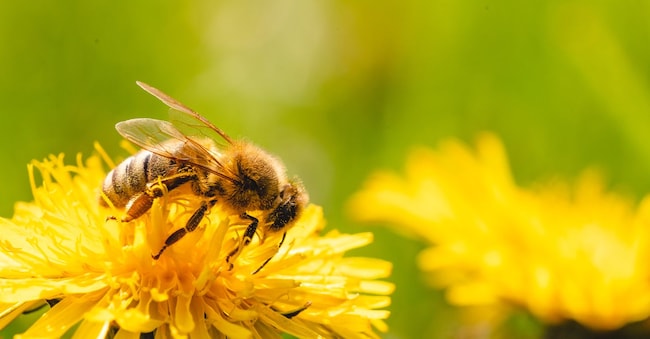
20 May marks the ninthWorld Bee Day, proclaimed by the UN to draw attention to the crucial role of these insects for ecosystems. "This year we are dedicating the Day to beekeepers and beekeepers," says Raffaele Cirone, president of the Federation of Italian Beekeepers (Fai), "it is thanks to their work that our bees guarantee productivity and sustainability to the supply chain. In our country, pollination generates up to EUR 2 billion in value of agri-food production and EUR 150 billion in ecosystem contribution'. The 2025 census indicates a heritage of over 1.7 million colonies, estimated at 500 million euro, with Italia leading the European rankings.
Variable year for honey
According to the National Honey Observatory, there are 78,017 active beekeepers with 1,554,475 hives surveyed, and 2025 production is estimated at 30,992 tonnes. The Observatory sums up the year with one word: variability. The season had a favourable start, then compromised by climatic instability, frequent rainfall and temperature fluctuations, with uneven results between regions and types. On the market front, stagnant consumption and honey coming in from Ukraine at very low prices, even less than 2 euro per kilo, are a concern.
In the face of these tensions in the wholesale market, the end consumer seems to be moving in the opposite direction. The member companies of Unione Italiana Food - based on NielsenIQ surveys for the calendar year 2025 - register over 15 thousand tons of honey moved in retail, with a 2.9% increase in volume compared to the previous year and a value of almost 158 million euro, up 3.2%. This figure, however, does not include direct sales by beekeepers or local markets.
Companies in defence of bees
If retail numbers signal a more attentive consumer, it is companies that are leading the way in protecting pollinators, transforming the presence of bees into a concrete resource for monitoring the territory. One example comes from the Seipa Group, active since 1968 in the management of construction and demolition materials, which has increased its beehives from 31 to 62 on two production sites by 2025, with the aim of tripling them by 2026. The logic is that of biomonitoring: bees collect environmental samples to detect pollutants, heavy metals, pesticides and microplastics, covering up to 3 thousand hectares per hive, the equivalent of 4 thousand football fields. "Bees are sentinels of environmental health: hosting them at our sites means promoting a more conscious model of industry," explain the Group's managers.
Another example? In Chianti Classico, Castello di Meleto has instead structured its commitment in the project 'Nel Nome dell'Ape' (In the Name of the Bee): anyone who joins can adopt a hive and receive 2 kg of organic honey per year for five years. From the initial 20 hives, the farm now has over 90 families and more than 3.2 million bees per year.

