
Bread, consumption holds up thanks to innovation and high value preparations
Rimini's Sigep kicks off: the focus is on leavened products, a 13-billion-euro sector that is experiencing a recovery in consumption after years of decline thanks to the proposal of recipes with high added value: from long fermentation to low-glycemic doughs

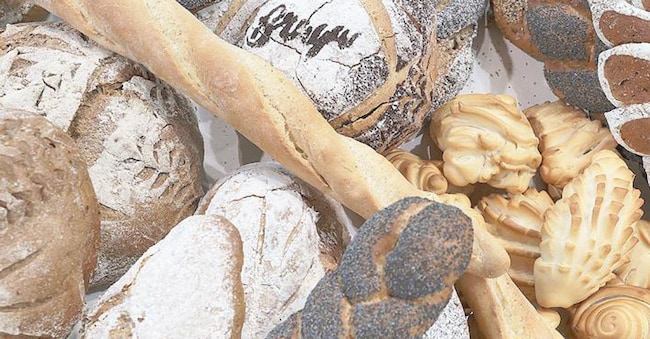
bread, and more generally the entire world revolving around leavened products, is undergoing a period of structural transformation, with consumption - which seems to be more stable after years of decline - turning to products with a higher added value. A process where both the professional competence of artisan workshops and the innovation of small industry can play a central role.
In Italy in 2024, per capita bread consumption was 41 kg, an increase of 1.6% but well below the European average of 70 kg (with peaks of 80 kg in Germany and Austria). Volumes, in any case, are decreasing compared to past decades (in the Seventies they exceeded 100 kg per capita even in Italy), while the demand for innovative products is growing: breads made with local flours or ancient grains, increasingly specific wholemeal products, 'free from' products, low-glycemic recipes and leavened products with long fermentation processes. These are trends that redefine the positioning of artisan businesses, which focus on technical skills and the enhancement of raw materials.
More than 46,800 bakery companies operate in Italy, 98% of which are artisans (76% are involved in production and direct sales) and generate about one third of the turnover. The sector's turnover is estimated at EUR 13.4 billion, of which EUR 8.4 billion for bread alone. These are some of the figures processed on the basis of Confartigianato Alimentare, Assopanificatori Confesercenti, Aibi and Italmopa by "Sigep World - The World Expo for Foodservice Excellence", the trade fair organised by the Italian Exhibition Group that returns to the Rimini Exhibition Centre from tomorrow to Tuesday 20 January. The 2026 edition brings together more than 1,300 exhibiting brands in 30 pavilions covering 138,000 square metres, divided into five exhibition areas: Ice Cream, Confectionery and Chocolate, Coffee and, of course, Bakery and Pizza. The aim of Sigep, explain the organisers, "is to tell the bakery world along the entire value chain, from raw materials to technologies, from new bakery concepts to business models integrating production, sales and foodservice.
According to Aibi (the Italian Bakery Ingredients Association, a member of Assitol, which represents 90% of the companies that produce ingredients for bread, pizza and cakes), 'despite the less than brilliant economic climate, the Italian ingredients market has reached 250 thousand tonnes and exports have exceeded 70 thousand,' says president Alberto Molinari, according to whom Italy is still very much tied to the artisan tradition with 80% of the product being bought almost every day. But the consumer has changed and so have the bakers. Because, even tradition does not stand still, but combines with innovation, attention to health, curiosity towards new flavours'.
Sigep will host the "National Competition of the Art of Pizza" (Bakery Arena, Hall D8, organised in partnership with Richemont Club Italy) that enhances the technique and innovation of Italian bakers. Also new at this edition is Pizza (R)evolution, which strengthens the presence of the sector through talks and masterclasses with Alma, 50 Top Pizza, Avpn-Associazione Verace Pizza Napoletana and Nip-Nazionale Italiana Pizzaioli. The numbers of the pizza sector confirm the relevance of this product for the national economy. According to elaborations on Cna Agroalimentare and Coldiretti data, about 2.7 billion pizzas are produced every year in Italy, requiring over 200 million kg of flour, 225 million kg of mozzarella, 30 million kg of olive oil and 260 million kg of tomato sauce. In 2024 there were 88,793 active pizzerias, an increase of 25 per cent, with a turnover of more than 15 billion euro.

