Plan B for the White House: the possible succession to Biden if he retires
Pressure mounts after election debate: Biden may drop out and make way for a new candidate

3' min read
3' min read
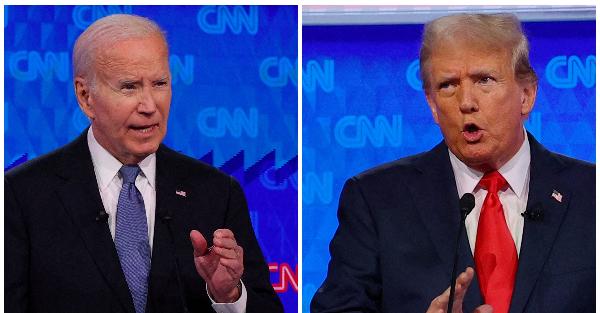
Joe Biden's failure at the first election debate against a more confident Donald Trump could change the face of the US presidential campaign. The pressure in these hours is enormous and it is now no longer a question of studying the words and gestures of the 81-year-old president in order to grasp his readiness or have the comfort of knowing that he is present to himself. There are now certainties and the TV confrontation in this regard has been ruthless. The Democrats are said to be panicking but the question now is what Biden himself wants to do, it would take a step backwards for him to quickly find a replacement or substitute. Members of Parliament are asking this on condition of anonymity. Mark Buell, a major campaign donor to Biden and the Democratic Party, says it openly: the president should seriously consider whether he is the best person to be the nominee. "Do we have time to put someone else in?" wonders Buell.
The most obvious choice would be Vice-President Kamala Harris, although there is no automaticity in her favour. Excluding Michelle Obama, who has done nothing but deny her interest in any competition, three state governors emerge: that of California, Gavin Newsom, that of Michigan Gretchen Whitmer, that of Illinois, the entrepreneur and philanthropist J. B. Pritzker (none of them, however, performed better against Trump than Biden, according to a Bloomberg News/Morning Consult poll conducted on the seven contested states that will decide the challenge).
There can only be a new candidate if Biden drops out and at the Chicago convention on 19 August delegates are free to choose another name. According to the rules of the Democratic National Committee, there is no mechanism by which other party leaders can exclude Biden. There are delegates to consider, Biden won 95 per cent of the nearly 4,000 delegates who pledged0 but are not legally committed to voting for him. There are those who note, however, that the delegates have been selected out of loyalty to Biden and so are unlikely to turn their backs on him unless he demands it.
In case the president decides to step aside, a competition with uncertain outcomes would begin. Superdelegates - elected officials and party leaders - could play a leading role at this point, who would vote at will without any constraints in the event of an open race in which none of the pretenders won a majority.
Kamala Harris could be favoured by two circumstances: the first and most important is money. Biden's campaign and the party had raised at the end of May - Bloomberg calculates - 212 million dollars, a treasure trove that would go to Harris should she take Biden's place because the two make up a ticket. Any other candidate would have to start from scratch and at that point there would be very little time. The other circumstance that could help Harris is Biden himself with a possible endorsement that would influence the delegates in favour of his deputy. Working against Harris are the polls that put her even further behind Biden and suggest the Democrats look elsewhere.