
Between Calabria and Sicily adventures among ripe orange groves
Pottery and dinners in the citrus groves of Cutrofiano

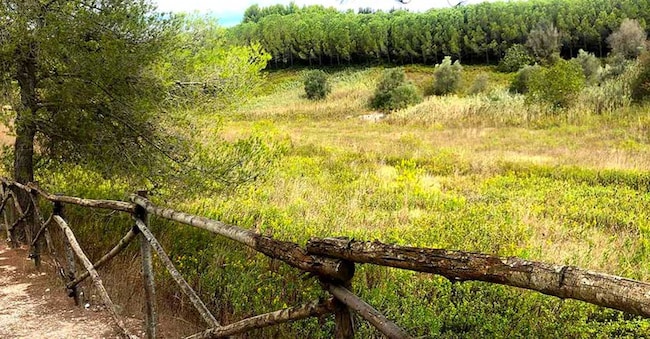
In Cutrofiano, ceramics is an art that has reached extremely high levels of quality, as evidenced by the collection of pieces produced between the end of the 19th century and the first half of the 20th century on display at the Museum of Ceramics. This village is located in the heart of Salento's Grecìa region, and boasts Baroque architecture of outstanding stylistic grace, as evidenced by its two ancient 18th-century entrance gates in Lecce stone and the Ducal Palace that served as a defensive castle during the Middle Ages: the ashlar portal, the gargoyles and the 15th-century tower attest to its strength, later to be embellished by the Filomarini family thanks to the flair of the beautiful Sara Pryce, an English noblewoman who married Gaetano d'Aragona Filomarini in the mid-19th century, earning this manor the name of Palazzo della Principessa (Princess's Palace). Cutrofiano is also known as the town of fossils to which it has dedicated a park within a disused clay quarry, where these marine relics, especially shells, prove the prehistoric presence of the sea: it covers 12 hectares and also contains the Malacological Museum of Clays. Above all, in this Salento microcosm, the secret citrus groves surrounded by stone perimeters have endured for centuries, such as that of the Parco degli Aranci, an 18th-century masseria where the rooms overlook the very trees overflowing with apples. At this family-run organic farm, where the furnishings belong to traditional peasant craftsmanship, you can get involved in the harvesting of the fruit from the branches and the preparation of recipes in which oranges and lemons always peep out.

