
Covid is not an accident: widow must pay back 200,000 euros to insurance company
Covid is a disease. And the Court of Appeal also sentences the woman to EUR 24,000 in legal fees despite her victory at first instance
by Patrizia Maciocchi
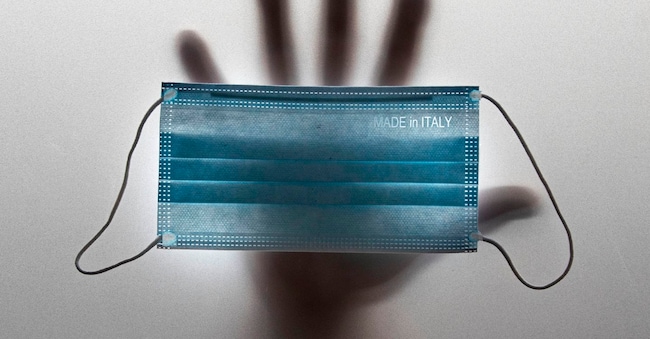
The Covid is a disease, which is why it cannot be indemnified by a insurance policy that insures against accidents. Based on this assumption, the Court of Appeal of Bologna sentenced a widow to return to the target="_self" href="https://ntplusfisco.ilsole24ore.com/art/arbitro-assicurativo-tempi-stretti-ma-prima-reclamo-compagnia-AHjtag5C">insurance company 200,000 euros, which she had obtained after the first instance verdict, when the Court of Parma had fixed the compensation for the death of her husband, who died during the Coronavirus pandemic. The man, an employee of a car dealership, was covered by a life insurance policy "Persona sicura" that provided compensation for accidents.
The affair
Il verdetto di prima istanza favorevole alla donna era stato del tutto disatteso in appello. Per la Corte d’Appello bolognese, infatti, l’infezione da coronavirus non è un infortunio assicurabile. E i giudici territoriali hanno messo nero su bianco una sentenza in punta di diritto. «Le conclusioni del primo giudice sono giuridicamente errate in quanto basate su una definizione di “infortunio” impropria e non aderente al suo significato letterale, non potendo applicarsi al caso di specie l’articolo 42, comma II, del Dl n. 18/2020. Trattandosi di contratto di assicurazione contro gli infortuni di natura privata - scrivono i giudici di secondo grado - la ricostruzione del suo oggetto deve esser svolta secondo il contenuto del contratto stipulato tra le parti, mentre l’interpretazione del medesimo andrà fatta secondo i criteri ermeneutici dettati dagli articoli 1362 e seguenti del codice civile».
Per la Corte d’Appello “ai sensi della polizza deve dunque considerarsi “infortunio” un evento traumatico e violento, dovuto ad una causa fortuita, violenta ed esterna, che produce, nell’immediato, delle lesioni corporali obiettivamente constatabili. Contrariamente a quanto affermato dal Tribunale, il contagio da 2019-CoV o Sars-Cov-2, con conseguente sviluppo della patologia Covid-19, non è qualificabile come causa fortuita, esterna violenta né è, quindi, sussumibile nel concetto di infortunio, mancando il traumatismo insito nel concetto di infortunio. Il contagio da parte dell’agente patogeno ed il conseguente sviluppo della patologia Covid-19 rientra, invece, nella definizione di “malattia” che in ambito assicurativo è definita negativamente come “tutto ciò che non è infortunio”. Nella polizza in oggetto, poi, manca qualsiasi estensione della garanzia alla malattia».
The lawyer's reaction
The conclusion was that, in addition to upholding the insurance company's arguments, the territorial court also condemned the lady to pay 24,000 euros in costs. For Francesca Barbuti, the widow's lawyer, this is perhaps the most "surprising aspect of the decision", almost a condemnation for reckless litigation, despite the victory at first instance. "The issue we dealt with," says lawyer Barbieri, "is new and complex in its interpretation, with contrasting jurisprudential orientations. It would have been fairer to offset the costs, as happens in particularly complex cases.
For Francesca Barbuti, then, the Bologna Court of Appeal turned a question of contractual interpretation into an abstract doctrinal dispute, without taking into account the will of the parties: 'In the case that concerns us, the policy contained a specific exclusion clause,' says Barbuti, 'accidents resulting from "biological or chemical contamination following acts of terrorism of any kind" were excluded. Now there is time to decide whether or not to appeal to the Court of Cassation.

