
Dates, lovers of the new superfood are growing (and not just at Christmas)
Dates become healthy ingredients, used all year round and in multiple products: sales doubled in a few years to EUR 43 million in the large-scale retail trade alone

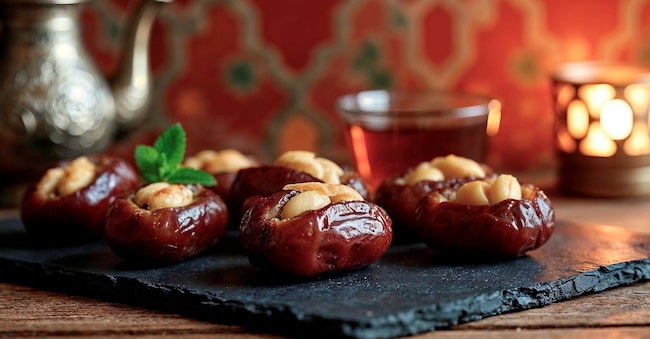
Growing in double figures, both in value and quantity, the Italian date market reached 43 million euros in the large-scale retail trade, more than double the 2017 figure (source: Circana). Half of the sales take place in the last four months of the year. And the peak is reached in December, when the average shop assortment is expanded and enriched, especially in the top end.
It is the triumph of the gourmand side of these fruits, such as the extra large types of medjoul dates, with their sweet and juicy flesh, or the versions filled with dried fruit or liqueurs. "The real challenge is always to find something new and special," admits Francesco Perego, sales director of Noberasco, the market leader in Italy, which this year is offering a range of Medjoul dates covered in chocolate with unusual recipes (such as chocolate ruby and passion fruit granola) packaged in a case ideal as a festive centrepiece.
Other competitors, such as Eurocompany and Interfoods, focus on prized varieties from the Arabian Peninsula (Aiwa. Sukkari. Safawi and Khudri) often guaranteed by the 'Saudi dates', quality label introduced in 2018 by Saudi Arabia as part of its Vision2030 strategy and now reaching 119 markets earning over USD 450 million from exports.
The arrival also in Italian outlets of more types of dates (of which there are a hundred or so different varieties in terms of colour, shape, texture and flavour) is part of the strategy to enhance the value of this fruit, which in recent years has become the popular ingredient of many 'ethnic' products with viral success, such as Milaf Cola and date seeds coffee.
In a little less than a decade, the date has conquered the global limelight, becoming the food&bevearge lifestyle ambassador of the new Middle Eastern luxury capitals. In this supported by investments not only from local operators but also from global luxury giants. Such as LVMH, which with its private equity fund L Capital is a shareholder of Bateel, a historic Arab company famous for dates packaged as chocolates, and which has an ambitious plan to open shops and cafés, first in the US and Asia, then in Europe, increasing from the current 180 shops to over 500, and aims to triple its turnover by 2029.

