

Di Maio: ‘Europe and the Gulf: greater cooperation on defence. The alliance with the US is not enough’
The EU’s Special Envoy for the region at the Med Forum in Naples: ‘We need more ships in the Red Sea and the Strait of Hormuz, cooperation on anti-drone systems and the protection of infrastructure’. He then called for unity amongst the countries of the Cooperation Council and for new negotiations with Tehran: “Regional security must be based on sovereignty and the principle of non-aggression.”

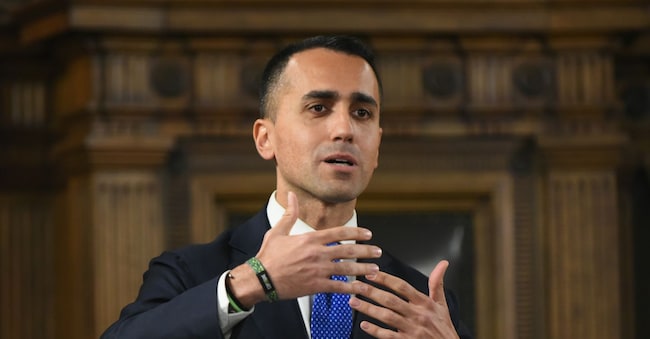
Europe must strengthen its cooperation with the Gulf States, particularly in the areas of security, defence and connectivity. Without calling into question the alliance with the United States, but by developing complementary capabilities that enable European and Arab partners to tackle regional threats together. This is the message delivered by Luigi Di Maio, the European Union’s Special Representative for the Gulf, speaking at the ISPI ‘Med Dialogues 2026’ conference, a series of conferences which began today and will run until Saturday.
In his speech, Di Maio identified three areas in which Brussels can step up its support for the countries of the Gulf Cooperation Council: maritime security, countering drones and missiles, and the protection of civilian infrastructure. Three areas which, in the view of the former Foreign Minister, require closer coordination between European capabilities and those of the region’s monarchies.
“There is no alternative to an alliance with the United States, but there can be complementarity,” he observed, also referring to the US request for its allies to take on greater responsibility for their own defence. This need has been made even more evident by the crisis in the Middle East.
On the maritime front, Di Maio highlighted the role of the two European naval missions already operating in the area, Atalanta and Aspides, emphasising the contribution of the Italian Navy. The former operates in the Indian Ocean to combat piracy, whilst the latter safeguards freedom of navigation in the Red Sea and the Bab el-Mandeb Strait. According to the European representative, however, the capabilities currently deployed are insufficient to meet requirements. “The aim of Aspides is to have ten ships; at present we have only three, perhaps two and a half,” he noted.
The priority is therefore to increase the available assets and to consider strengthening the European presence in the Strait of Hormuz as well. Di Maio pointed out that the non-executive mandate of Aspides could allow the mission’s operations to be extended to this area as well, but greater contributions from Member States are needed.


