

Diplomatic relations resume in Libya: Egypt reopens its embassy in Tripoli after twelve years
From Tunisia to China, and from Turkey to Spain, over the past year and a half numerous countries have re-established their consular presence in the North African country. Against this backdrop lies the competition for influence in Libya and the tensions between Cairo and Ankara over the delimitation of maritime borders

Key points
On 8 November, it was reported that, after twelve years, Egypt had reopened its embassy in Tripoli, in western Libya. This development, which is significant in its own right as it marks the start of a renewed diplomatic engagement between the two countries, takes on greater importance when viewed within a broader context. Over the past year and a half, in fact, many nations have reopened consulates or embassies in Libya, following more than a decade of silence between the foreign ministries.
The Egyptian case
Situated in the Zawiyat al Dahmani district, overlooking the Mediterranean, the Egyptian embassy building in Tripoli dates back to the first half of the 20th century, when the country was under Italian colonial rule. The building became the permanent headquarters of the Egyptian diplomatic mission in Tripoli in the 1950s, following Libya’s independence and the establishment of formal diplomatic relations between the two countries.
Cairo had evacuated its mission in Tripoli in January 2014, after five diplomats had been abducted by armed men in two separate incidents. It was believed that the kidnappings were carried out in retaliation for the arrest, in Alexandria, of Shaaban Hadeia, head of the Operations Room of the Libyan Revolutionaries. The five diplomats were released, but Cairo kept its embassy closed due to the deteriorating security situation in Libya. In October of that same year, armed men broke into and ransacked the building. The following month, there was an attack: a car bomb exploded outside, causing only structural damage.
The Egyptian government had begun to consider the possibility of re-establishing its diplomatic presence in Tripoli in February 2021, when a high-level delegation visited the Libyan capital to discuss the arrangements for reopening the embassy and consulate following the formation of the new UN-backed interim government.
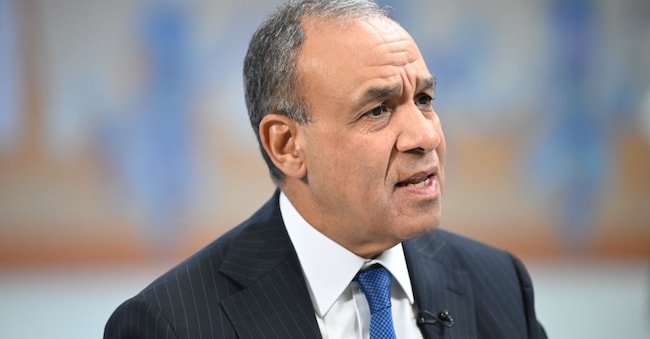
The reopening ceremony, which took place on Sunday, was attended by Egyptian Foreign Minister Badr Abdelatty and his counterpart from the Libyan Government of National Unity, Taher al Baour. However, Abdelatty was also in Tripoli for another reason. The day before, the 22nd ordinary session of the Executive Council of the Community of Sahel-Saharan States (CEN-SAD) took place, during which issues relating to regional cooperation and common security challenges were discussed. The occasion also marked the first visit by an Egyptian Foreign Minister to Tripoli since 2011: Abdelatty met the Prime Minister of the Government of National Unity, Abdul Hamid Dbeibeh, with whom he discussed bilateral relations, ways to expand cooperation in various sectors, and efforts to strengthen consultation and coordination on issues of common interest.


