

Drones and oil: the Abyei massacre increases tensions on the border between the two Sudans
The drone strike on 19 October has reignited tensions in the disputed territory, just a few months ahead of the first elections in Juba
from our correspondent Alberto Magnani
 Aggiungi Il Sole 24 Ore
ai preferiti su Google
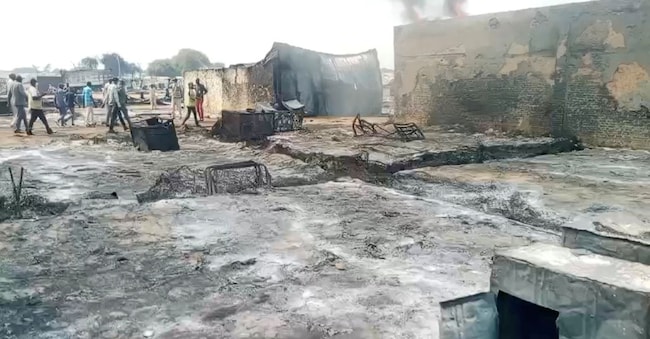
NAIROBI – The most immediate toll is humanitarian, with estimates ranging from 150 to over 200 victims and thousands of displaced people. The political and military situation may intensify in the coming months, in the run-up to a decisive event: the presidential elections in South Sudan, the first in the history of the world’s youngest country.
Relations between Sudan and South Sudan remain strained following the drone strike on 19 October in Abyei, the oil-rich region spanning just over 10,500 square kilometres between the two countries. The strike hit the Amiet market and is believed to have been aimed at a fuel depot under the control of the Rapid Support Forces (RSF), the paramilitary group in conflict with the regular army of the Sudanese Armed Forces in the war that has been ravaging Sudan since 2023.
The massacre has sparked a diplomatic row between the local administration in Abyei and that in Khartoum, highlighting the web of actors active in the disputed region and increasing pressure on the territory. One of the outstanding questions is whether Abyei will be included in the December elections, when the incumbent leader Salva Kiir will seek re-election in the first formal vote since independence in 2011.
The logistical and political complexities of Abyei
The status of Abyei has remained unresolved ever since the very birth of South Sudan in 2011, when the failure of the referendum on whether it should be assigned to Khartoum or Juba left the region in the limbo of a ‘special administrative state’. Tensions have flared up intermittently, culminating in the latest escalation involving a drone attack and the interplay of logistical and military interests behind it. Local authorities have accused the regular army of the attack and summoned the Sudanese ambassador. The Foreign Ministry in Khartoum, the capital of the part of Sudan under SAF control, has ‘categorically’ denied the allegations, rejecting reports gathered by the Associated Press and the BBC regarding an attack targeting an RSF depot that inadvertently struck the market. Sources and analysts interviewed by Reuters confirm that the market was used as a supply hub for the RSF but emphasise that the military were absent on the day of the attack, whilst the United Nations has called for ‘clarity’ on the incident.
One of the feared developments is the intertwining of the parallel crises in the ‘two Sudans’, which are respectively engulfed in an open war and a latent conflict. Sudan, based in Khartoum, has been held hostage since 2023 by the conflict between the regular army and the RSF, which, according to UN estimates, has resulted in nearly 12 million displaced people and an uncertain death toll. South Sudan is approaching its December elections amidst tensions between the incumbent president, Salva Kiir, and his (former) deputy, Riek Machar, who is currently awaiting trial, leading two factions that have brought Juba to the brink of open conflict in recent months. Among the uncertainties is the inclusion of the Abyei region itself in the vote, currently scheduled for 22 December.


