
El Niño peaks between June and July. UN: prepare for heat and heavy rain
Although there is some uncertainty as to the maximum intensity and exact timing, most of the forecast models developed by the UN weather agency suggest that El Niño will be at least moderate in intensity this time around, and possibly strong.

-U12883881782xLt-1440x752@IlSole24Ore-Web.jpg?r=650x341)
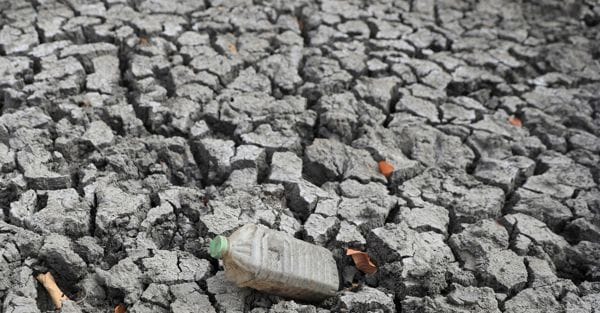
It is now certain: it will be the summer of El Niño, the cyclical phenomenon (every five years) of overheating of surface waters in the South Pacific accompanied by changes in winds and atmospheric circulation, with side effects such as droughts and tropical heat waves.
The question so far is not if, but when: according to the latest update on the subject by the World Meteorological Organisation (WMO/WMO), the probability of facing an El Niño event in the period June-August 2026 is in fact 80%, and the probability is close to or above 90% for the possibility of the phenomenon lasting at least until November. Although there is some uncertainty regarding the maximum intensity and exact timing, most of the forecast models developed by the UN weather agency suggest that El Niño will be at least moderate in intensity, and possibly strong, this time around.
The alert by the Omm comes just a few days after the first alert issued at the end of May in the 'Global annual-to-decadal update' report, in which it estimated an 86% probability that a year between 2026 and 2030 would replace 2024 and become the hottest on record, pointing to 2027 as a possible peak year with particularly high temperatures due to the arrival of El Niño.
Guterres: more renewable energy, less dependence on fossil fuels
"The science is clear: El Niño is coming to our doorstep in the next few months with 90 per cent certainty. The world must treat it like the urgent climate alarm that it is. El Niño conditions will throw fuel on the fire of a warming world. The impacts will hit even harder, extend even further, and cross borders with devastating speed. The only effective response is climate action that matches the crisis: ending dependence on fossil fuels, accelerating the shift to renewable energy, protecting the most vulnerable, and providing early warning systems for all,' said UN Secretary-General António Guterres, outlining the World Meteorological Organisation's (WMO) forecast update.
Between late April and mid-May, sea surface temperatures in the east-central equatorial Pacific - the area used as a reference for monitoring - approached El Niño thresholds, according to observations from several platforms used by the Omm.These increasing surface anomalies are fuelled by unusually warm conditions below the surface across the tropical Pacific, with temperatures more than 6 °C above average providing a significant heat reservoir contributing to the observed surface warming. Meanwhile, the Southern Oscillation Index - which is the atmospheric component of El Niño - is also consistent with the development of El Niño conditions.

