
Bees, wasps and butterflies: Italia aligns with the EU with Legislative Decree 80/26
Measures include increased protection for bees and pollinators and restoration of agricultural and marine ecosystems

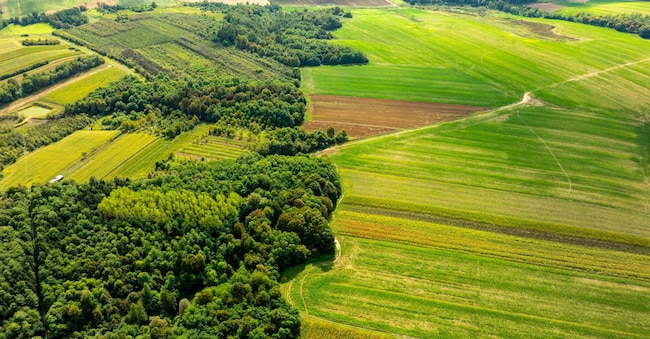
More protection for bees and other pollinators, such as wasps and butterflies, and the planting of new trees. These are two of the innovations provided for in Legislative Decree 80/2026, in force since 31 May 2026, for the protection of nature, which adapts national legislation to the provisions of EU Regulation 2024/1991. Published in the Official Journal on 16 May, the decree also aims to protect biodiversity and to restore the environmental conditions of marine ecosystems. Finally, the law aims to regulate the relationship between agriculture and the environment.
The time schedule
The Ministry of the Environment and Energy Security will be responsible for the restoration of terrestrial, coastal and freshwater ecosystems according to Article 4 of the European Regulation. By 2030 interventions must be carried out on at least 30 per cent of the total area of habitats that are not in good condition. By 2040 at least 60 per cent of the territories must have been reclaimed and by 2050 90 per cent. The same ministry will then be responsible for the planning, construction and operation of energy production plants from renewable sources, as well as their connection to the grid. Finally, the department headed by Gilberto Pichetto Fratin will have to deal with the restoration of the natural connectivity of rivers and the natural functions of their floodplains.
Restoration of agricultural ecosystems
The Ministry of Agriculture, Food Sovereignty and Forestry shall, on the other hand, oversee the restoration of agricultural ecosystems, to strengthen their biodiversity. In the period between 18 August 2024 and 31 December 2030, there must be an upward trend at national level in at least two indicators among the common butterfly index, the stock of organic carbon in cultivated mineral soils and the percentage of agricultural land with highly diverse landscape features. Particular attention must then be paid to common birdlife in agricultural habitats and to the restoration of organic soils in agricultural use that constitute drained peatlands. Finally, the ministry headed by Francesco Lollobrigida will have the task of restoring forest ecosystems to increase their biodiversity. In the period between 18 August 2024 and 31 December 2030, there must be an upward trend at national level in at least six out of seven of the following indicators:
- dead wood standing;
- dead wood on the ground;

