
EU tightens rules on methane emissions: Brussels opens the door to a ban on fines
Recommendation to the EU-27: to suspend for three years the penalties relating to atmospheric emissions linked to imports of fossil fuels

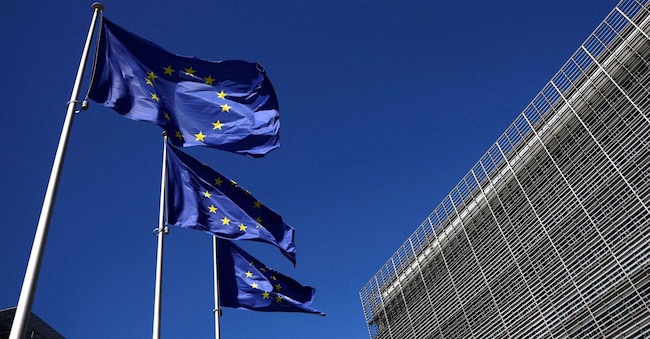
Brussels has effectively put a hold on the crackdown on methane emissions into the atmosphere linked to fossil fuel imports. On 20 July, the Commission recommended that the 27 Member States suspend for three years the penalties imposed on oil and gas companies that fail to comply with EU requirements.
Some sectors of industry and exporting countries, starting with Qatar and the United States, have spoken out against the legislation. A coalition of 17 states, including Italia and Germany.
Environmental organisations take the opposite view, emphasising that methane has a global warming potential around eighty times greater than that of carbon dioxide, but a relatively short life cycle. Consequently, limiting emissions of this greenhouse gas would have an impact on the rise in global average temperatures within a relatively short timeframe.
Under European legislation adopted in 2024, from next year, importers of gas, oil and coal into the EU must monitor and report methane emissions associated with their supplies, with a view to reducing them.
The Commission is sticking to the 2027 deadline for the legislation to come into force, but is open to the possibility of suspending, until the end of 2029, the imposition of fines (which can be up to 20 per cent of annual turnover) on importers who fail to comply with their emissions reporting obligations.


