Culture

The European Commission cuts two million euros to the Venice Biennale for the return of the Russian pavilion

The Biennale's decision to include Russia in the 61st contemporary art exhibition provoked the withdrawal of European funds, triggering a debate on art and politics.

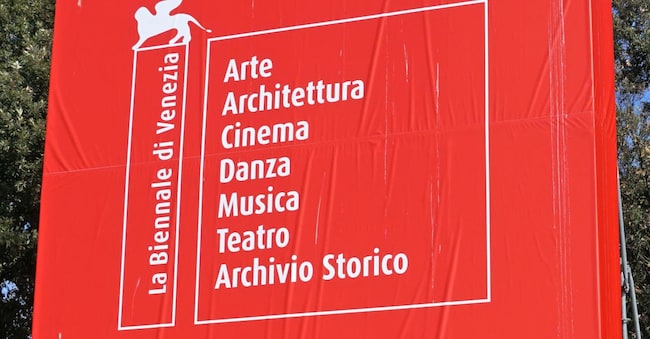
Il totem espositivo all’?accesso dei Giardini della Biennale di Venezia, 13 Marzo 2026. ANSA/ANDREA MEROLA ANSA

2' min read

Translated by AI
Versione italiana

2' min read

Translated by AI
Versione italiana

The Venice Biennale has lost two million euro in funding due to the decision to allow Russia to participate in the 61st contemporary art exhibition opening on 9 May, the European Commission announced on Thursday 23 April 2026.

The Commission informed the Biennial Foundation of the funding cut and gave it30 days to defend its decision to include Russia for the first time since the invasion of Ukraine in 2022.

Loading...

Spokesman Thomas Regnier said that the Commission strongly condemns the reopening of the Russian pavilion.

Russian artists retired in2022 and Russia did not present an exhibition in 2024 for its permanent pavilion, which it lent to Bolivia instead. Russia's last participation in the International Art Exhibition was in 2019.

The Biennale stated in a note that it 'does not have the authority to prevent a country from participating. Any country recognised by the Italian Republic can ask to participate'. It added that the Biennale emphasises dialogue, openness and artistic freedom.

The European Commission informed the Biennale foundation of the cut in funding over three years, as previously announced.

"We strongly condemn the fact that the Biennale Foundation allowed the reopening of the Russian Pavilion,'' Regnier said.

Since Russia owns the pavilion built in 1914 in the historic Giardini, it was only required to send notification of its application, the Biennale said.

"La Biennale di Venezia rejects any form of exclusion or censorship of culture and art. La Biennale, like the city of Venice, continues to be a place of dialogue, openness and artistic freedom, fostering links between peoples and cultures, with the constant hope of bringing an end to conflict and suffering,' the Biennale said.

The Biennale of Contemporary Art is the oldest and most important in the world and comprises a main exhibition alongside national pavilions, curated separately by the participating nations.

For this edition, 99 countries will present national pavilions, 29 of them in the Giardini and the rest distributed in the Arsenale and throughout the city.

In the past, the Biennale has rejected pressure to exclude countries including Iran and Israel from participation.

Copyright reserved ©
Loading...

Brand connect

Loading...

Newsletter

Notizie e approfondimenti sugli avvenimenti politici, economici e finanziari.

Iscriviti