
The expansion of Mix Markt, the chain of shops specialising in Eastern European foods
The offer of the 74 sales outlets with a turnover of 45 million is dedicated to immigrants looking for products familiar to their gastronomic culture
3' min read
3' min read
There are more than 2 million of them, they live in Italy and have clear ideas about what they want to eat and drink. Just as the Italians who emigrated at the end of the 19th century coveted pecorino cheese and spaghetti, so Romanians, Albanians, Ukrainians, Moldavians, Poles, Bulgarians and Russians are looking for familiar products, such as Aljonka chocolate, Baltika beer, caramelised condensed milk, fine mineral water from Georgia, Polish sausages and the sour cream so popular in Eastern European cuisine. They are catered for by Mix Markt, the largest chain of supermarkets and shops specialising in Eastern European products, present in Italy with 74 shops that generated a turnover of EUR 45 million in 2024.
A constantly growing reality (6-7 new openings every year and 5-7% more takings with the same network), which started from a small Eastern European food shop, run by a Ukrainian couple, Volodymyr Bekysh and his wife, near Naples Central Station. After opening the second shop, Bekysh began to think bigger and looked to Germany where, after the fall of the USSR, some five million Russian-German people moved, creating from scratch a large pool of new consumers. This is where the three entrepreneurs who founded the Monolith Group in 1997 turned to, first by having the original products and recipes from the former Soviet bloc made in Western Europe and then, with the opening of borders and the reduction of tariffs, by importing them directly from the countries of origin. Soon Monolith became the partner of reference in this sector (also for large-scale retail chains), entering 28 countries and reaching a turnover of EUR 800 million. In Italy, the group arrived in 2003 with the opening of the first Mini Mix shop together with Bekysh and then, eight years later, Monolith Italia Nord was born, to which four companies are headed, dealing with all aspects of the business (import/export, real estate, retail and logistics) for a turnover of EUR 98 million.
Retail is entrusted to Mix Mark, which acts autonomously: it develops the network, with both proprietary (there are currently 10) and franchised shops (64), and takes care of all practical aspects, from fitting out to staff training and maintenance. And above all, logistics and the supply of products, which pass throughthree logistics centres in Verona, Tivoli and Naples.
"In fact, we are a large purchasing centre," explains Bekysh, "because our business is the supply of products, some of which are manufactured in our own factories. That is why we focus on finding the right locations, which we rent or buy, and we do not ask franchisees for royalties on sales but for a sub-lease fee and a guaranteed supply of products'.
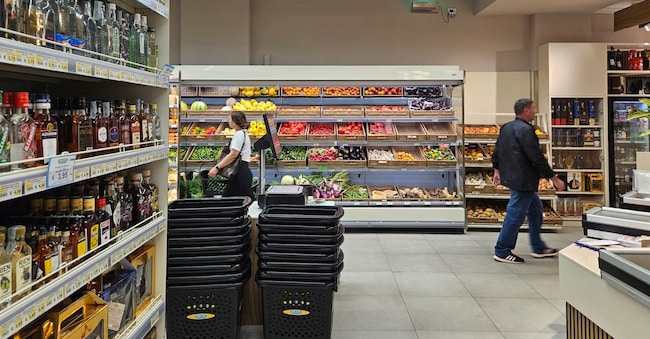
"Having 'frozen' the small shops, the development of the brand is now entrusted to supermarkets of 150-250 square metres, with served counters and an assortment of 3,500 products, half of which are fresh (mainly cold meats, dairy products and fish) and more than a third private label. And with a bar with an offer similar to that of Eastern European establishments, where black tea is served with suskki and coffee is the long one, diluted with lots of water. The clientele is made up mainly of Romanians (the European community most present in Italy but also the one where competition from specialised shops is strongest), while Italians make up 10%.
'The hope is to arouse their curiosity and encourage them to approach our food, as they did with sauerkraut and kefir, of which we were among the first importers more than 20 years ago and which remains one of the best-selling products in Italy,' adds Bekysh.

