
Monastery products, a success that runs (also) on online platforms
From wine to beers, from oil to jams: sales have also exploded thanks to the web and in many cases production has become industrial, albeit based on original recipes
3' min read
3' min read
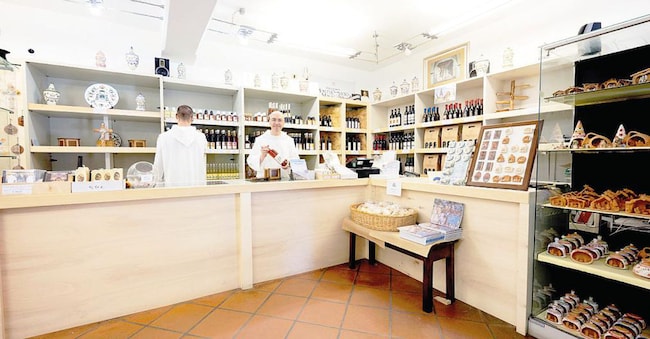
Blessed are the monastic products. There are those who buy them in the shops of the monasteries and those - especially from Covid onwards - who buy them online on the sites created by various monasteries and on specialised platforms, such as Holyart (over 160 thousand orders per year). There are also those who discover them on special occasions, such as Abbey Wines, the only Italian event dedicated to these products (held from 6 to 8 June at Fossanova) with over 3,000 visitors. And finally those who learn their recipes, protagonists of successful television formats, such as Nun's Kitchen and The Convent Recipes, both on Food Network.
"The trust in the millenary experience of the convents and the rediscovery of naturalness have focused attention on monastic products, which are in great demand today," confirms Friar Ezio Battaglia, herbalist of the Antica Farmacia Sant'Anna di Genova (founded in 1650) and popular face of TV and social media. More than a thousand people ask him for a (free) consultation every year at the convent's pharmacy, where five employees handle the shipping of the more than 100 products, most of which are made in the in-house laboratories, and range from curative remedies (anti-stress in particular) to herbal teas and the traditional rose syrup for food use (a best seller). The pharmacy's pharmacy is also a popular source of herbal remedies.
The monasteries have been the birthplace of blazoned Made-in-Italy excellences (such as Grana Padano cheese) and products continue to be made by skilled hands, such as the jams of the Trappist nuns of Vitorchiano, the honey of the Discalced Carmelites of Loano, the beers of the Benedictines of Cascinazza and the wood-roasted coffee blends of the Monastery of Silence of Barberino di Mugello.
However, many of these specialities are not made in the tranquillity of the cloisters but outside them, by companies (often small or artisanal) to which the monks make their knowledge available. "When vocations declined, it was the monks themselves who proposed to us to take care of production based on their recipes," says Marco Sarandrea, owner of the distillery of the same name in Collepardo, founded in 1918 to exploit the herbal studies of a Capuchin monk. Since then he has continued to process medicinal herbs in full cycle and use them for liqueurs in the monastic tradition, such as those of the Montecassino monks. But not everything is monastic that it seems.
In monastery shops one can also find products 'signed' by a monastery but which in reality are made by specialised companies according to 'standard' industrial recipes, identical for each monastery. Then there are borderline cases, such as the chocolate of the Benedictines of the Tre Fontane in Rome which, unlike their beer, cannot be called 'Trappist' because the brand name has been registered by a company.

